

For thousands of years, the ancient art of Ayurveda has helped people find a way toward a healthy and peaceful life. Through its teaching on the five primordial elements — fire, water, earth, air and space — it allows us to adapt to the conditions of a changing environment, and to heal body and mind through these five elements.
The most significant therapy in Ayurveda is Panchakarma, also known as Panchkarma or Pañchakarma. Literally translated from Sanskrit, Pancha karma means "five actions." This means that Panchakarma therapy is divided into five ancient procedures that cleanse the body: Vamana, Virechana, Basti, Nasya and Rakta Moksha. This therapy is also commonly known as Ayurvedic cleansing. Panchakarma draws on the greater part of all the treatments available within Ayurveda.
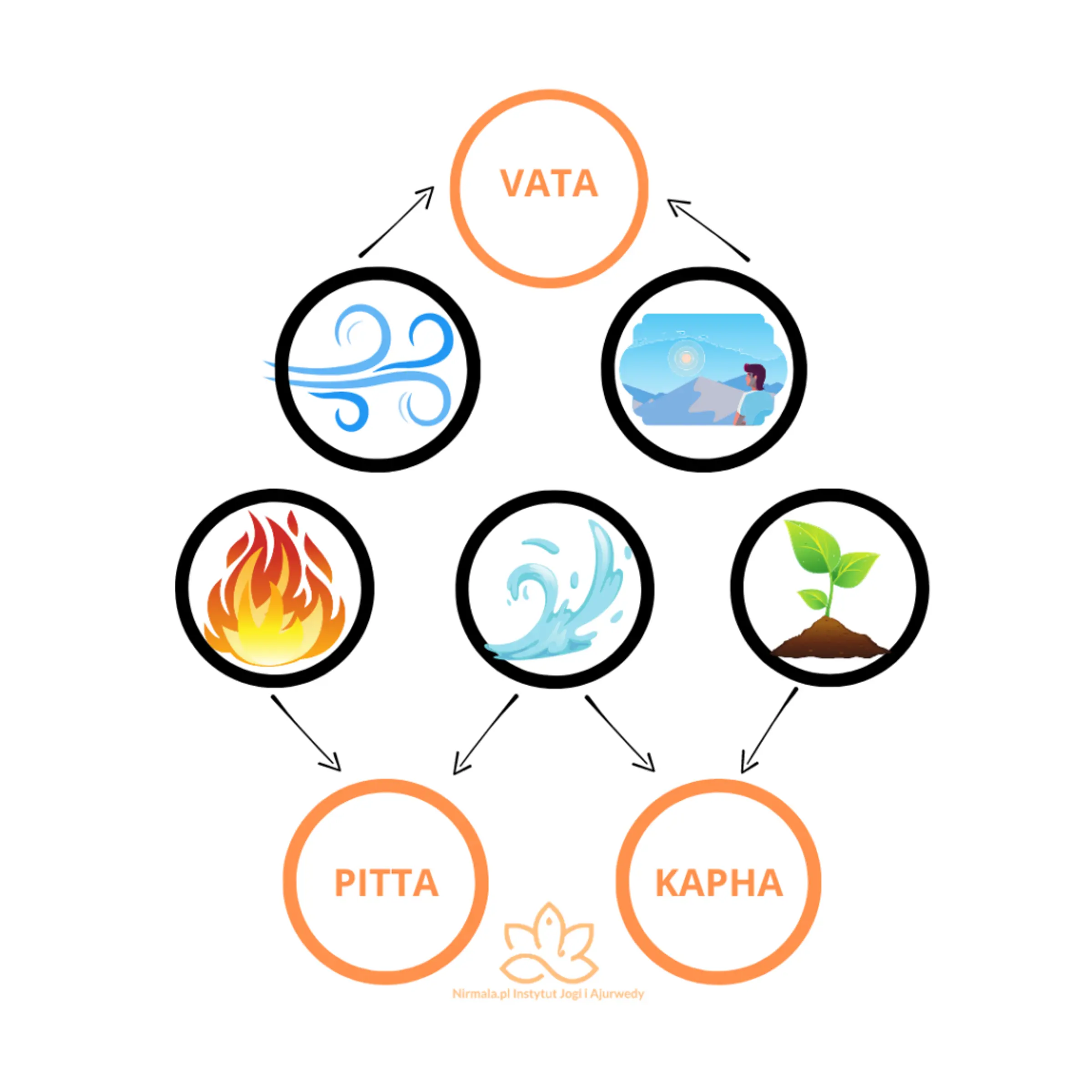
Panchakarma places its emphasis on the patient, while other medical systems focus on the disease and its symptoms. Panchakarma does not merely treat ailments and diseases — it also balances the doshas and engages the body's natural defenses to remove the accumulated toxins that are the root cause of illness.
In the course of every illness, there comes a critical point in the amount of "Ama," or toxins, in the body. Panchakarma is, above all, Shodhan Chikitsa — a cleansing therapy — because it reverses the mechanism of disease that carries the toxic metabolic byproducts accumulated in the body (Ama) from the digestive tract into the body's tissues.
While home methods of cleansing the body and a balanced Ayurvedic lifestyle act preventively against disease, Panchakarma can completely remove the symptoms of illness.
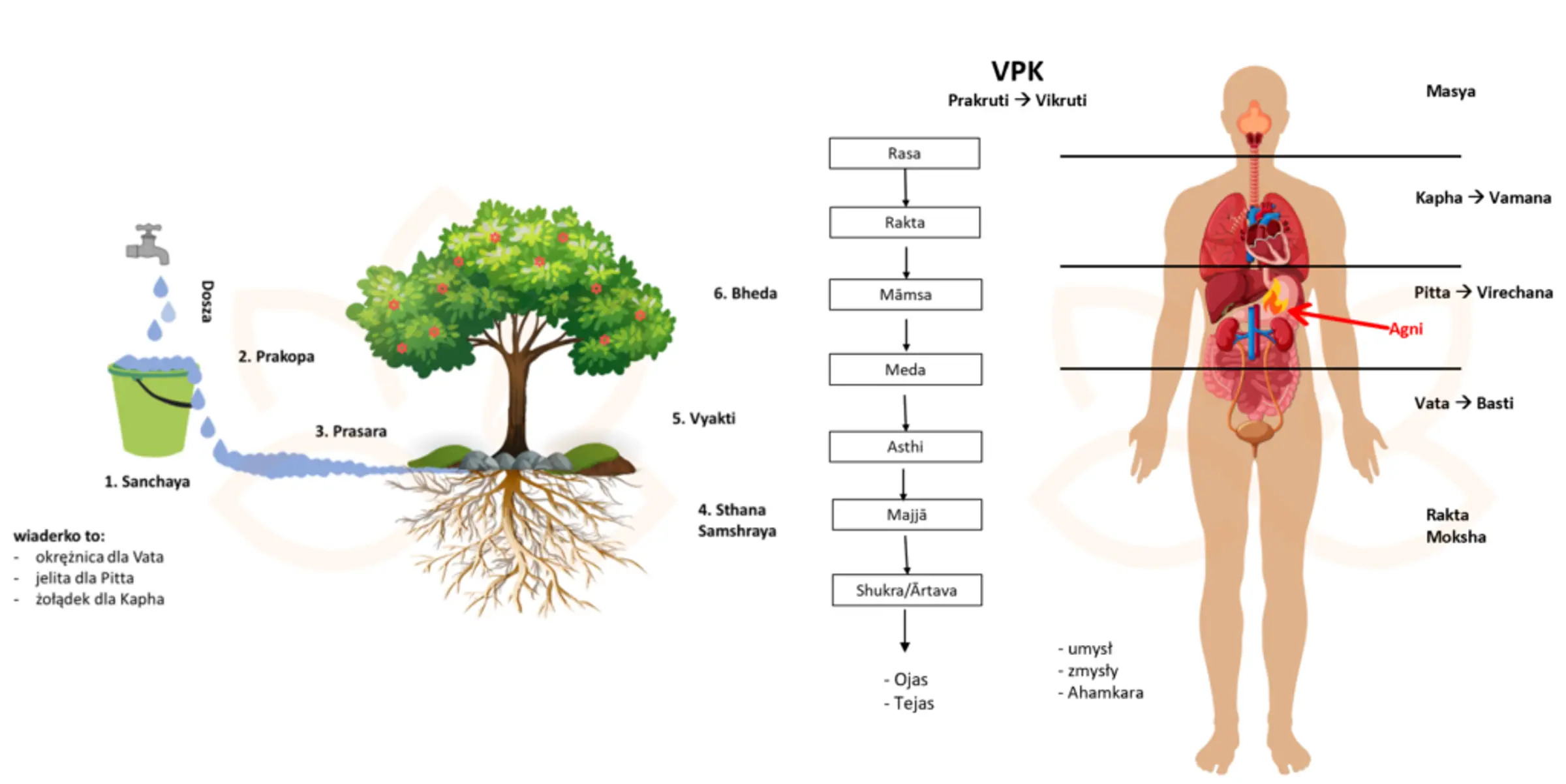
In Ayurveda there are six stages of disease: Sanchaya (accumulation), Prakopa (aggravation), Prasara (spreading), Sthana Samshraya (localization), Vyakti (disruption), and Bheda (manifestation, chronic disease).
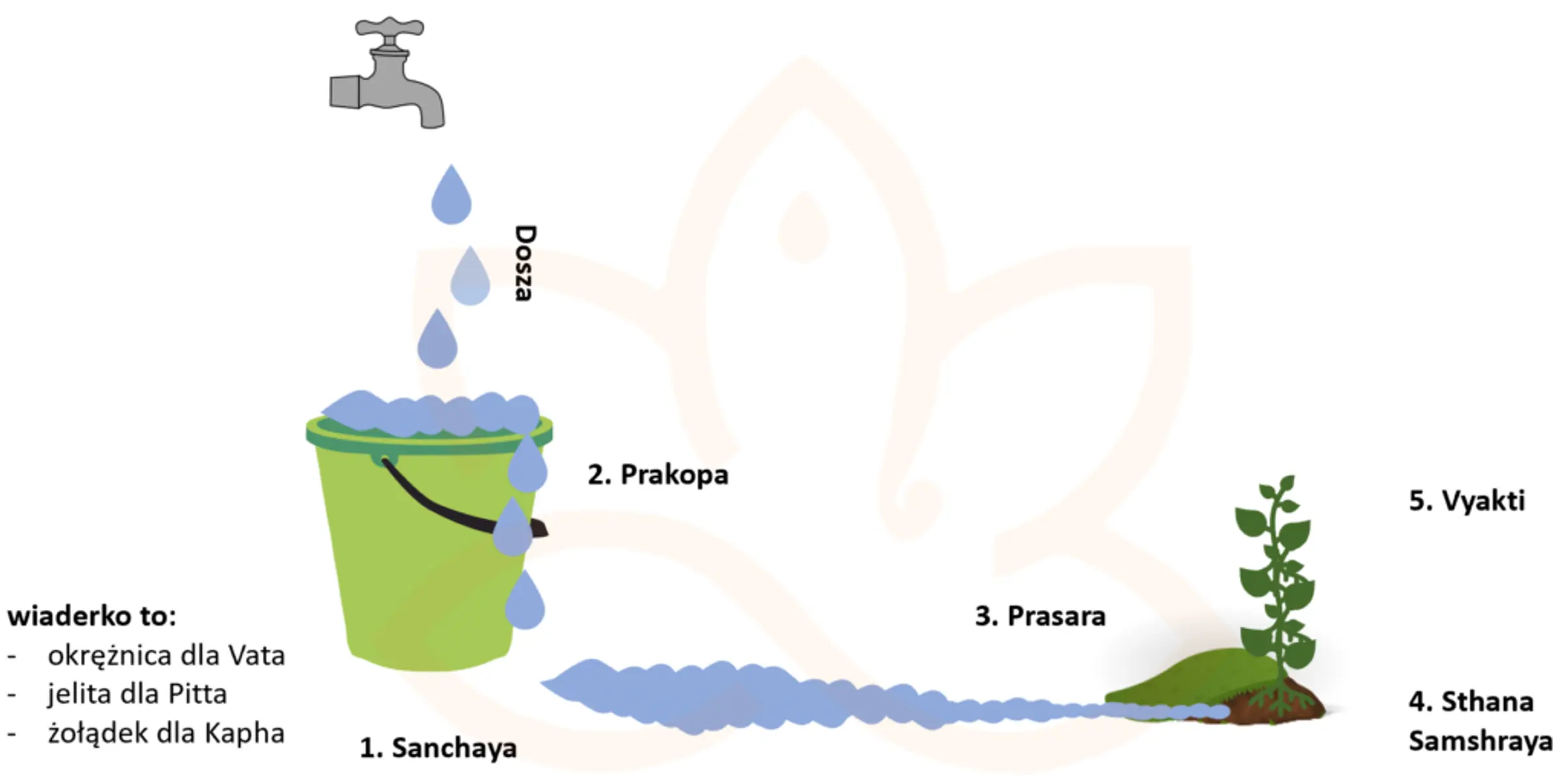
Panchakarma reverses the course of the spread of Ama, which takes place during the third and fourth stages of disease development according to Ayurveda. At the point of Prasara — the third stage of disease manifestation — Ama begins to spread beyond its original site in the digestive system and takes hold in further tissues of the body. During Sthana Samshraya — the fourth stage of disease manifestation — Ama penetrates and develops in weakened or damaged areas of the body, where the destructive influence of the toxins leads to the emergence of disease whose symptoms can already be noticed, but which is still undetectable by Western medicine.
Panchakarma is also effective at the fifth stage of disease manifestation, called Vyakti. At this stage, the disease reaches full development, with all its symptoms clearly recognizable. The functioning of the tissues is disrupted by the accumulation and further spread of Ama, and by the disturbance of the Vata, Pitta and Kapha doshas. Up to this stage, Panchakarma is 100% effective in reversing the disease.
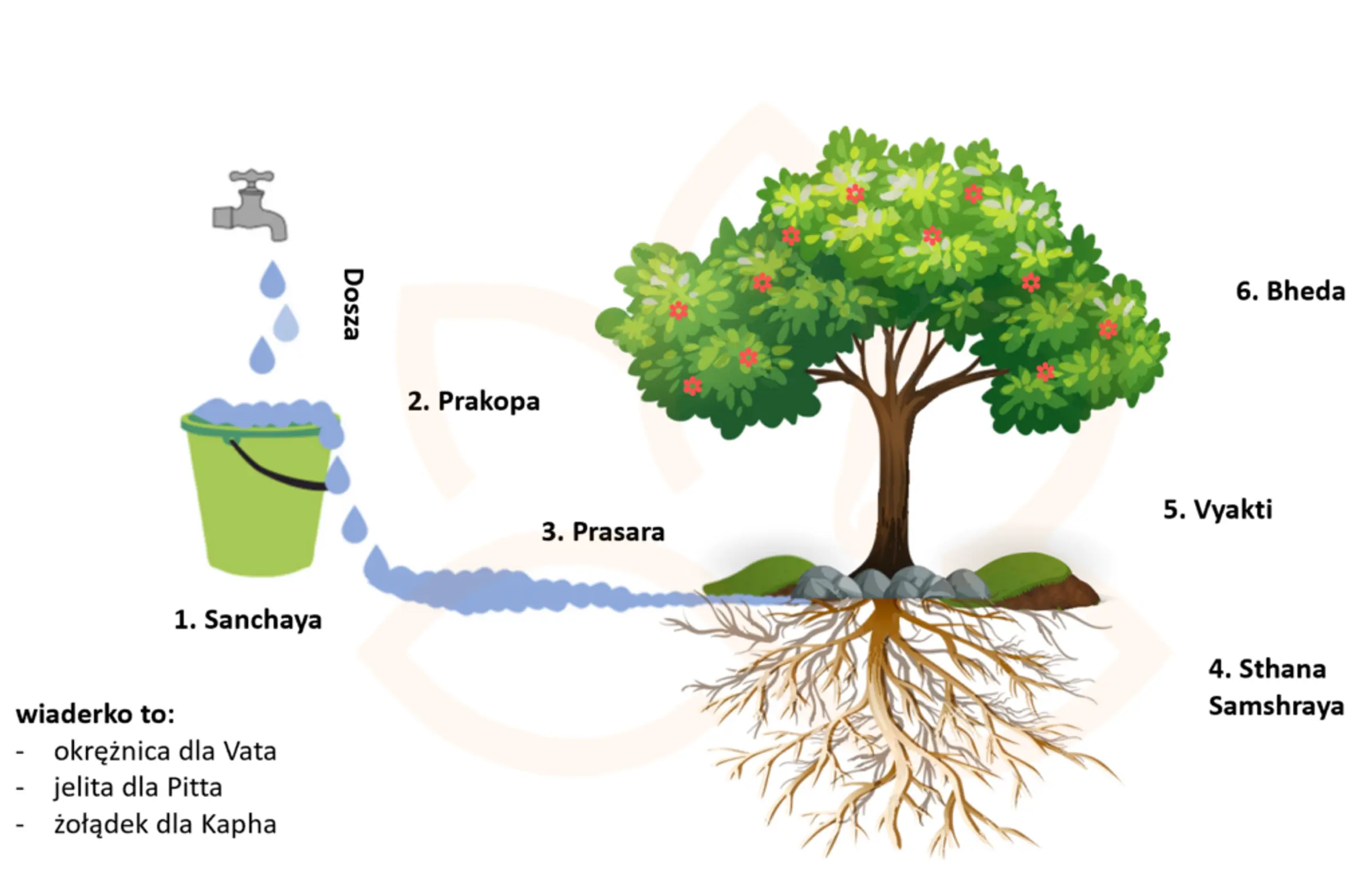
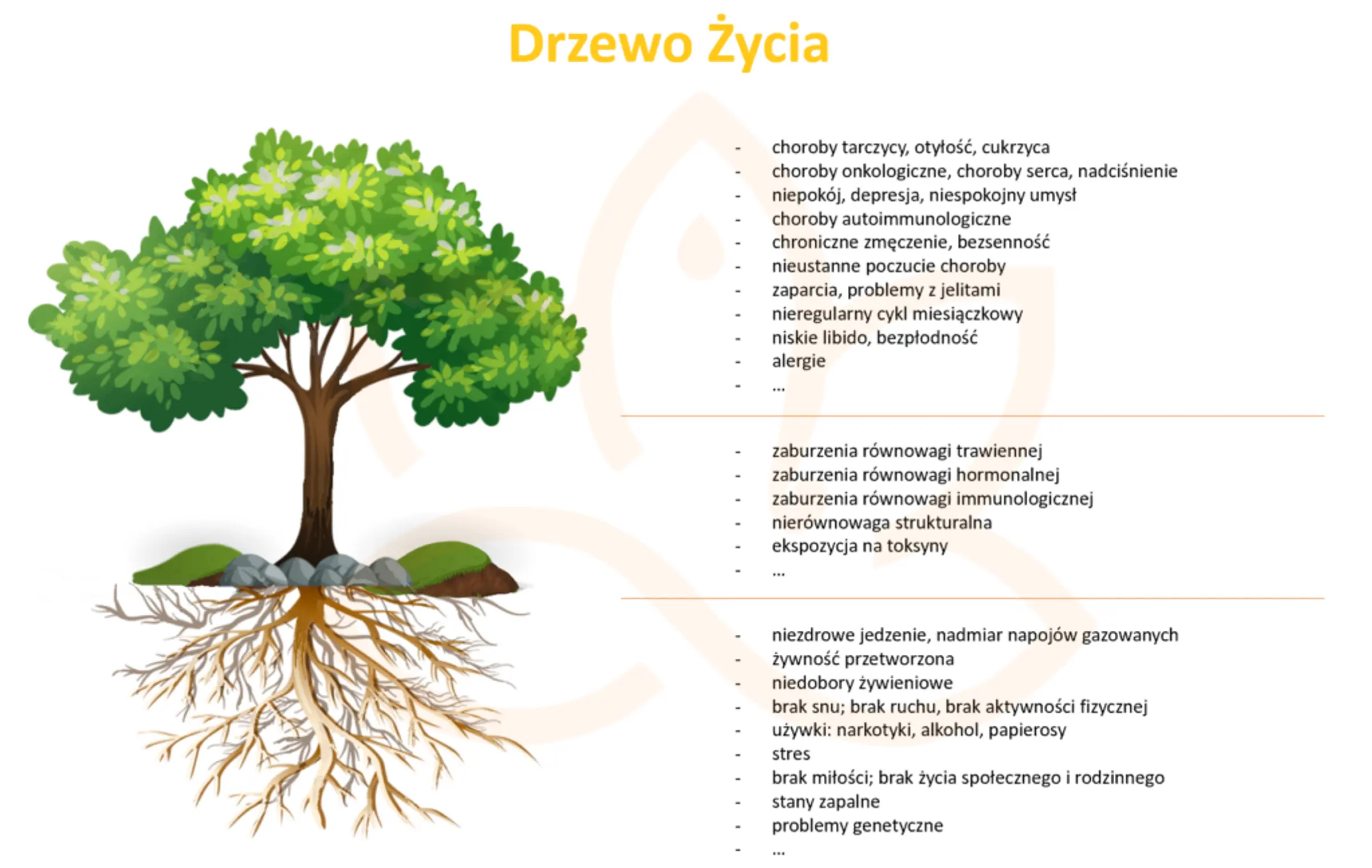
Panchakarma is an advanced process designed to expel Ama from the tissues, redirect it back into the digestive system, and thereby remove it from the body. If the disease has progressed into the sixth, chronic stage (Bheda), Panchakarma together with an appropriate lifestyle can reverse the disease, but the damage the disease has caused to the tissues will remain, along with its seeds, which will begin to grow again if we return to our old habits.
Ayurveda is viewed with reluctance by Western medicine, because it does not use its research methods, and it doesn't help that Ayurveda is thousands of years older. Qualified Ayurvedic physicians use pulse diagnosis, and assess the appearance of the tongue, skin, face and physique, as well as the condition of urine and stool; in addition, they possess knowledge of the interconnected system of body and mind, which makes this science holistic. Ayurveda is a medicine tested by time. For around five thousand years it has served people in maintaining excellent health — it existed even before India itself came into being — and it continues to develop over time, with its effectiveness remaining high to this day.
The division of therapies within Panchakarma:
- Vamana — cleansing of the stomach
- Virechana — cleansing of the small intestine
- Basti — cleansing of the large intestine (enema)
- Nasya — cleansing of the nose and sinuses
- Rakta — cleansing of the blood
For its intricate, ancient therapies, Panchakarma also draws on the power of Ayurvedic herbs. Their richness is so vast that many of them have not yet been studied by European scientists, and for this reason cannot be obtained in Europe. In addition, some Panchakarma treatments require a particular climate, humidity and temperature specific to the region of India.
These and other obstacles mean that the best and most reliable solution is to undergo Panchakarma in India, where we can be certain of being cared for by qualified doctors, massage therapists and other practitioners, and have full access to the herbs prescribed by the doctor for continued therapy.
It is worth remembering that Panchakarma therapy will not work unless, for its duration, we switch to a light, sattvic diet to support the cleansing process, devote time to rest, and avoid remaining in a stressful environment, such as tension at work or at home. For the whole therapy to succeed, it is necessary to eat the right food, practice yoga and meditation, and ensure rest and a peaceful setting that allows contact with nature.
Pashchat Karma refers to the procedures that follow Panchakarma. Its task is to rebuild, nourish and stabilize the body's metabolic and immune functions after the cleansing process. If these are not carried out, digestion will remain weakened, and weakened digestion is the first step toward the formation of Ama in the body. Failing to follow Pashchat Karma is a direct path to a weakened body and immunity, and to the return of illness. After Panchakarma, a regulated diet and lifestyle should be followed, in accordance with the recommendations of the doctor overseeing the Panchakarma.
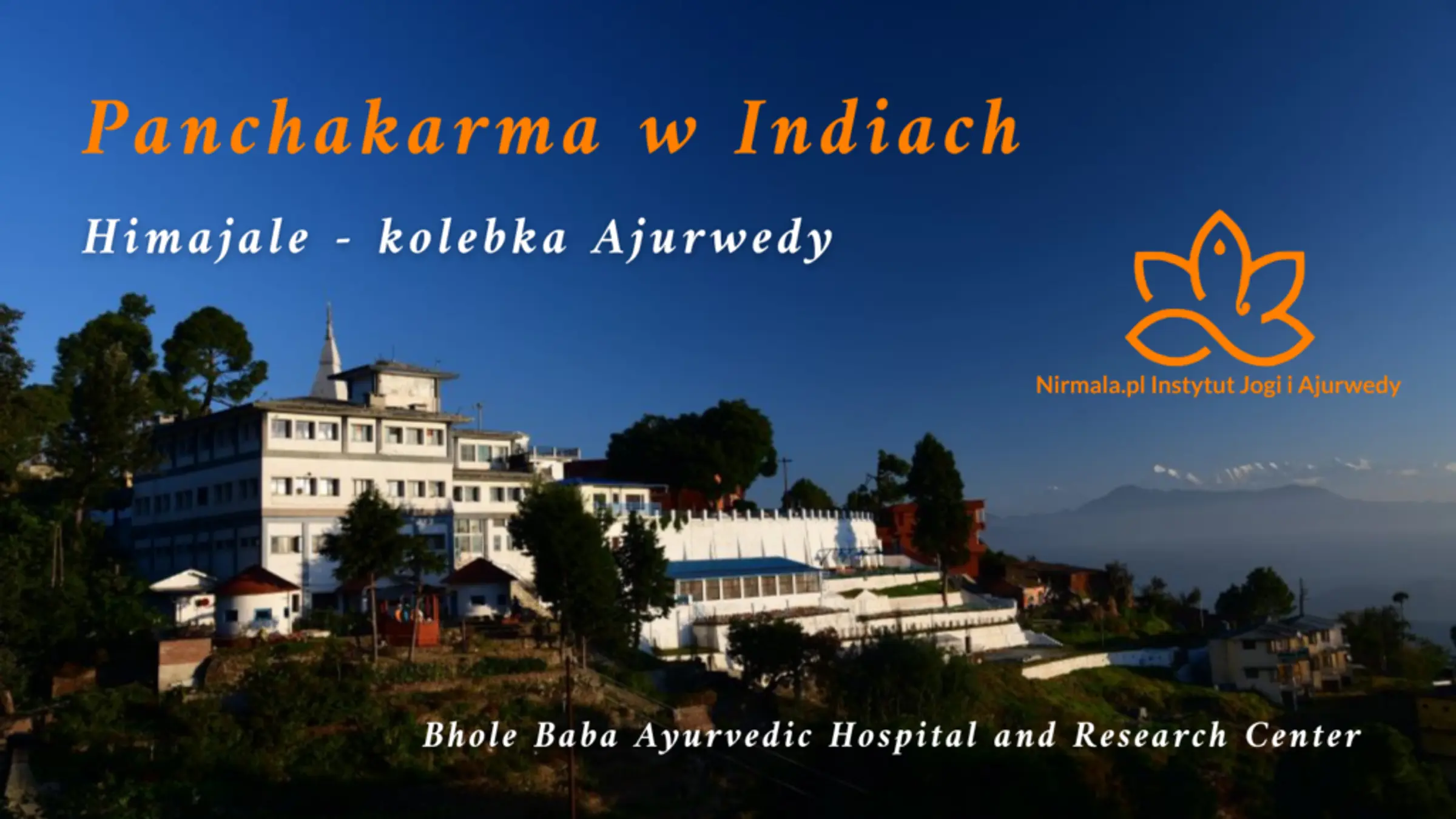
We are fortunate to have established a partnership with one of the best Ayurvedic centers in India, the Bhole Baba Ayurvedic Hospital & Research Center at the foot of the Himalayas, where, with our help with transport and care from the airport, anyone who wishes can undergo the Panchakarma process.
At the Bhole Baba hospital, three outstanding physicians see patients, each with notable achievements in the field of Ayurvedic science: Dr. Vijay Sheel Upadhyay (also the director of the center), Dr. S. S. Misra, and Dr. Priyanka Ramola. In addition, patients are in the hands of a large team of Ayurvedic therapists, a yoga teacher, wonderfully friendly reception staff, and excellent cooks. The center has its own Ayurvedic pharmacy.
The stay at the hospital begins with a consultation with a doctor, who, based on the examination, prescribes the first Panchakarma treatments. Then, after a few days, a follow-up visit with the doctor allows the further course of action to be determined. In the meantime, each patient receives a balancing and highly nourishing diet, adjusts to the center's regular daily routine, and undergoes scheduled massages and healing treatments. During the hospital stay, everyone can take part in morning and afternoon yoga classes, as well as mantra chanting at the Bhole Baba temple. Walks through the beautiful surrounding countryside and the stunning flower garden on the center's grounds are also recommended. All of these activities support the effectiveness of Panchakarma, both on the physical level (yoga) and on the subtler level (contact with nature). Once a week, the center holds a Havan (Yagya) ceremony, whose ritual detoxifies and harmonizes all the systems of the body.
With our involvement, the center also takes care of the Pashchat Karma process. After you return home, you don't need to worry about staying in touch with your doctor, because we will help coordinate online consultations for you, as well as the availability of Ayurvedic medicines and Ayurvedic therapies where you live, should the need arise.
The minimum duration of Panchakarma is 3 weeks, which is why, for those who want to see a marked improvement in their health, we recommend month-long group stays, which include a few days of sightseeing at India's greatest landmarks (New Delhi, the Taj Mahal, Jaipur). For those who cannot take a longer holiday but still want to experience the power of Ayurveda, we also coordinate 2-week group stays.
For anyone interested, we also offer individual therapeutic stays at the Bhole Baba Ayurvedic Hospital & Research Center, including transport from the airport and help with arranging an Indian visa.
The next group Panchakarma trip is in March 2024 (March 1–24).
Registration is now open: pmittal1915@gmail.com
Enjoyed this article?
Share this knowledge with your family or friends.
Deepen your practice
Related courses in this area of knowledge.
Piyush Mittal
· Founder of the InstituteTeacher of Integral Yoga, expert in traditional Ayurveda, and practitioner of Marma point therapy. For years he has combined authentic, source knowledge from India with a modern understanding of health and human development.

