

What makes people go there?
The Himalayas have provided a spiritual home base for spiritually inclined people in India. You can go to the Alps, you can go anywhere — mountains that are gigantic, majestic, beautiful, but not sacred. You go to Gangotri, you simply sit down, and you set off on a spiritual journey. You go to Badrinath and simply close your eyes, and you have experiences. That is why people go there.
It is the atmosphere. The influences interpenetrate one another — the outer atmosphere affects the inner atmosphere, and the inner atmosphere affects the outer atmosphere. There is a spiritual magnetism and an external magnetism. High in the Himalayas, just imagine the ion count per cubic meter compared with the ions found elsewhere (in cities) — or the purity of the air you breathe there during pranayama, versus what you breathe in Wrocław, or Warsaw, or New Delhi. The Himalayas still hold herbs and minerals that create a magnetic atmosphere wherever you go there.
You won't find dirty rivers there — you can bathe in them and drink the water straight from the river, something you cannot do where you live. If rivers aren't meant for anything, what are they for? After all, the river is nature's most beautiful creation. When you look at a river, the space it opens gives you a sense of majesty and glory. If that river becomes polluted, what is the point of having it at all?
In the Himalayas, if you simply sit down, you find yourself at peace — even if you don't care about God, nature alone is enough to draw your mind inward. You don't need to seek God; nature itself will switch off the mind. You haven't been to Lompas, you haven't been to Hemkund. Hemkund is the place where Guru Nanak performed tapasya in a previous life. About fifteen miles to Parchatti, and across the Ganges to Hemkund, at 14,000 feet above sea level, lies a place called Joshimath — a beautiful place with a beautiful dharamshala. They have built heaven on earth there.
Lompas is known as the Valley of Flowers. When you go there in September, there is no color you will not see — and perhaps something more, that you have never seen before. It is not just a patch of forest; the entire valley blooms with beauty and color.
On Mount Kailash, and by Lake Mansarovar, there is no priest, no temple, no idol — and yet everything seems to be there. You don't feel that the place is deserted. You feel an invisible presence, even though you know full well that no one is there. It is a large, beautiful lake with swans or ducks, crystal-clear water, and Mount Kailash reflected in Mansarovar. When there is no wind, when everything is clear, you don't even need to look up at Kailash — you can see its reflection. There won't be ten or fifteen people there, no more. A few Tibetans and a few Indians here and there, but the whole place seems filled with a divine presence. You know perfectly well that no one is there, yet that is how it feels. It's strange.
When you go to a particular town, city, or house, you know whether the house feels full or whether it is completely deserted, with no one there. There, I did not feel that I was alone with myself, and with ten or fifteen other people. It turned out the place felt full. Then I thought: "This is all just a game, it's only me imagining it." But I could not shake off that idea, that invisible presence. Like a child who goes to the bathroom at night and thinks there's a ghost there, I could not rid myself of the idea. The whole time I remained aware that some presence was at work, though I did not know exactly what it was. I asked other people too. They said: "Yes, it does seem like a beautiful place. All the devatas are here." They were innocent people. They were more innocent than I am. They could perhaps feel a little more of that reality than I could. These are the words of Swami Satyananda Saraswati, but I had the very same feelings and experience when I was in the Himalayas in September of 2018, 2019, and 2020. Then the pandemic came and went, but I am already going to the Himalayas in March, and again in September to the Valley of Flowers, and I am already counting down the days.
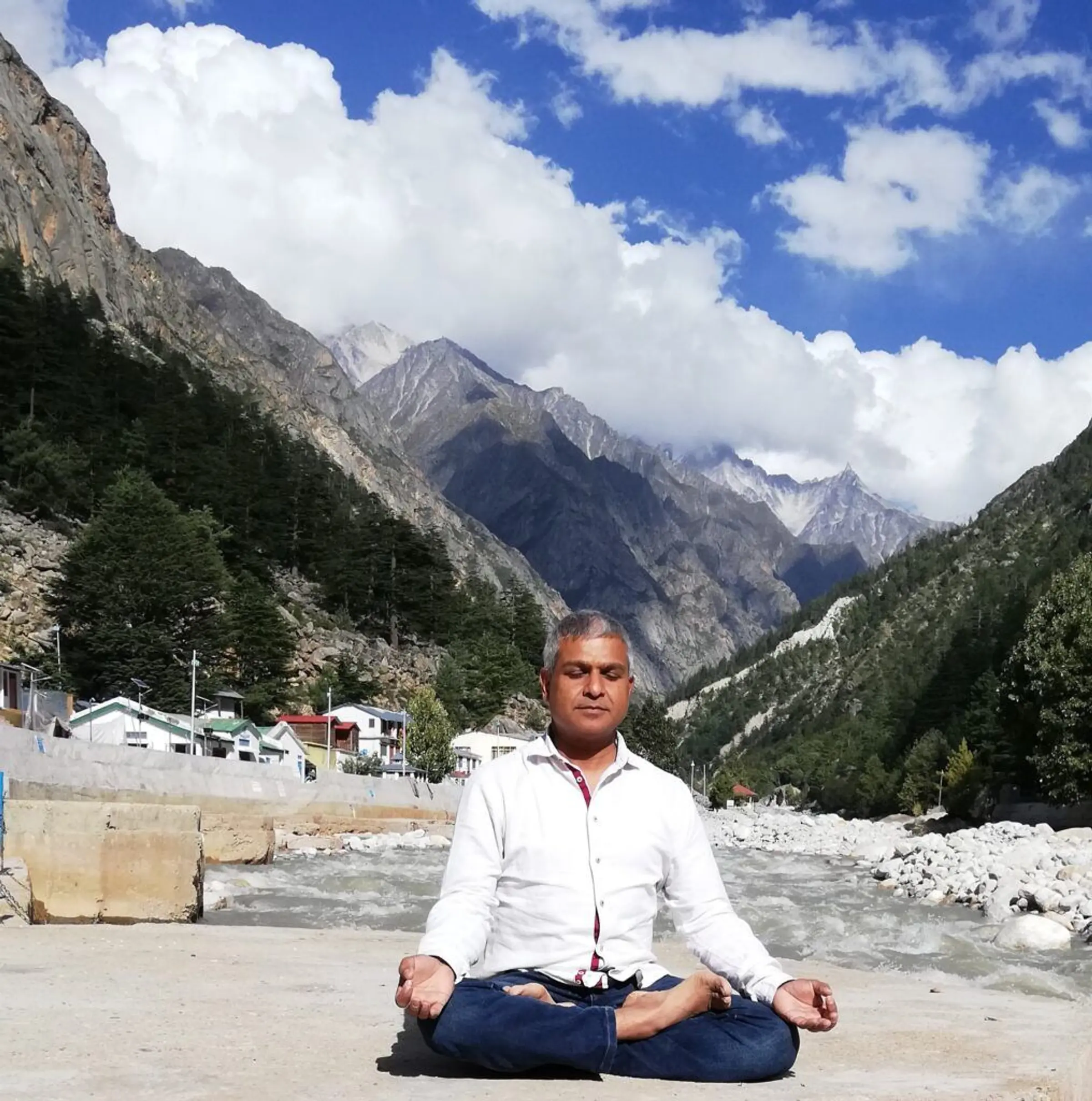
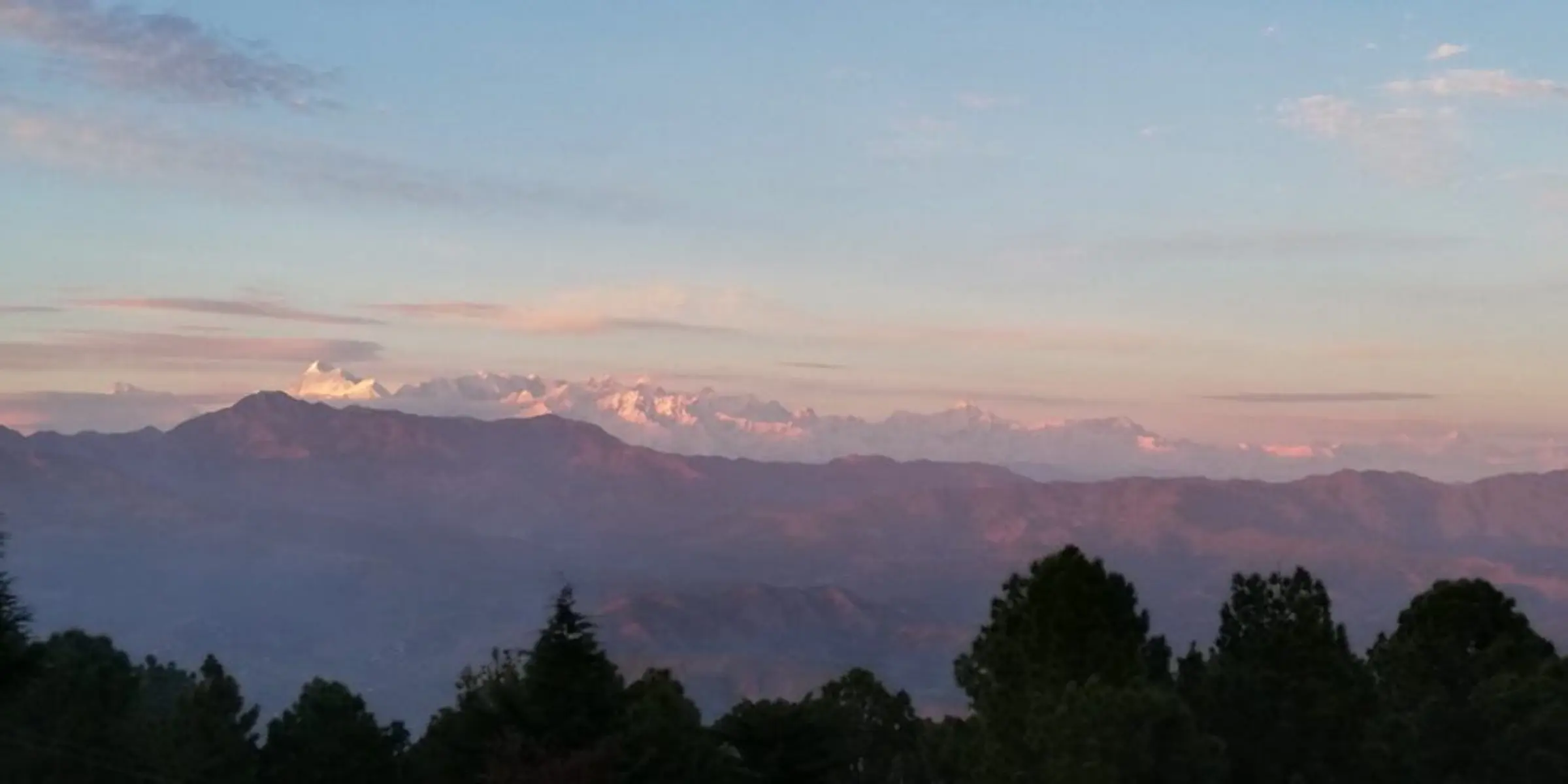
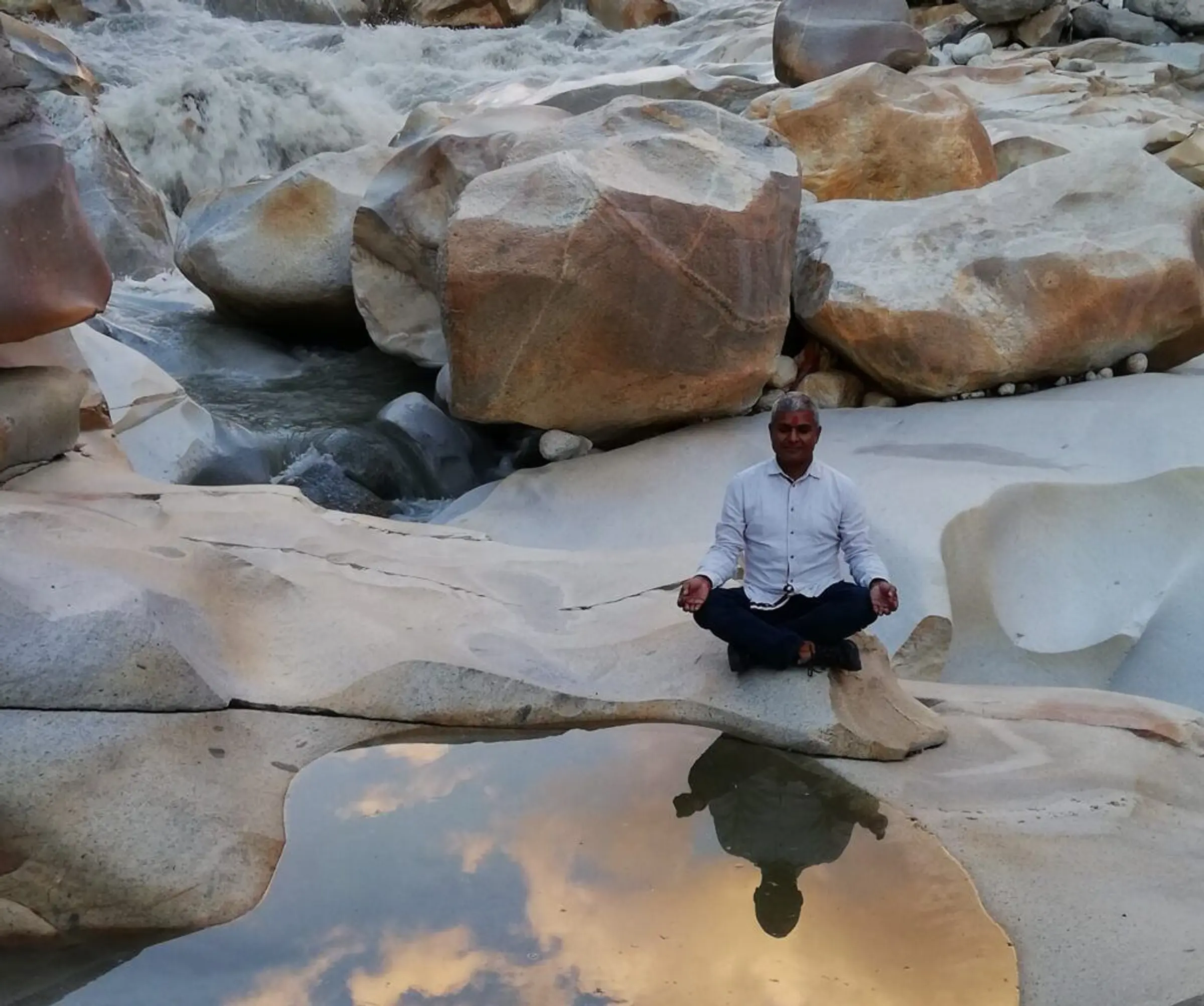
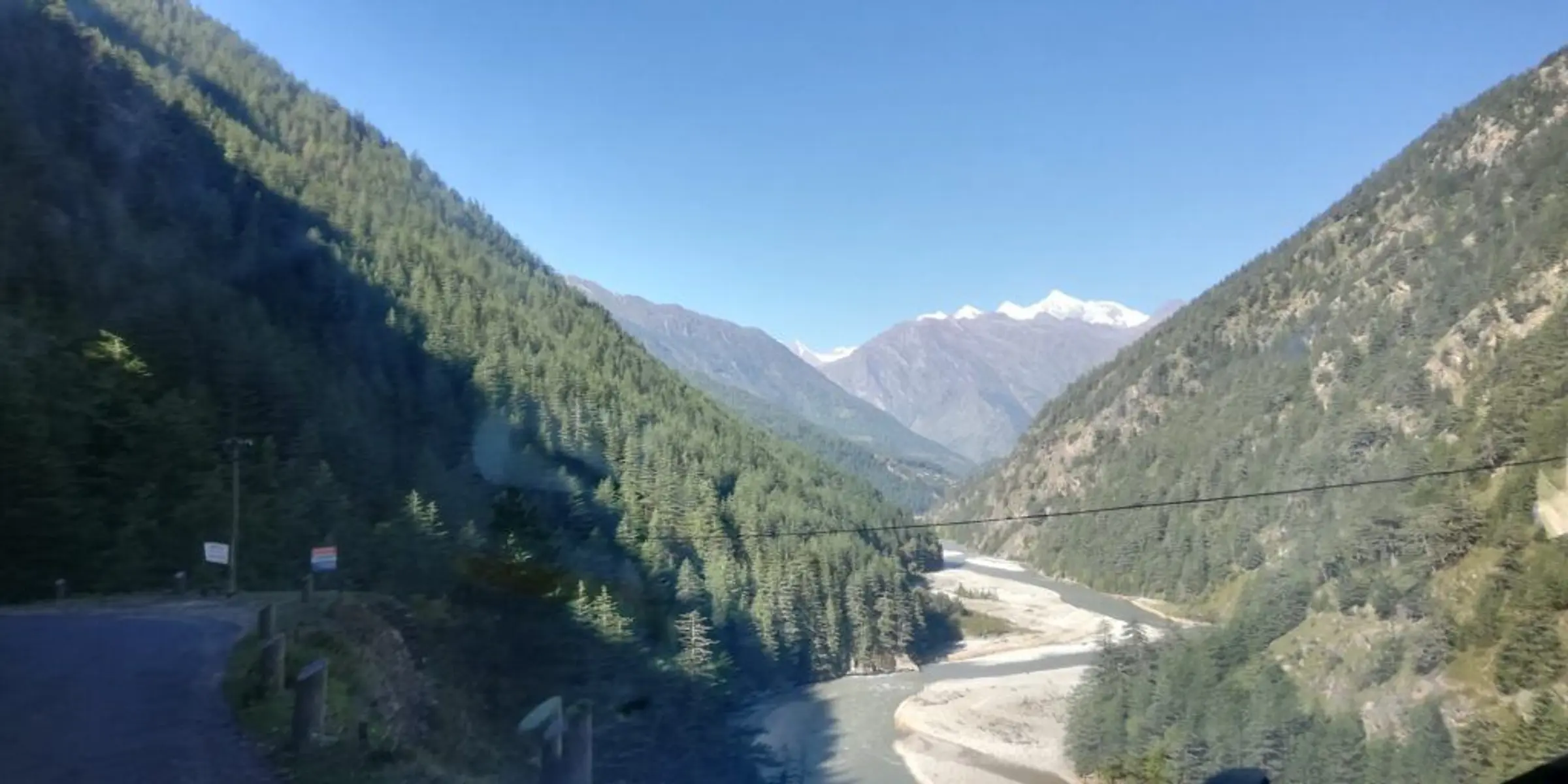
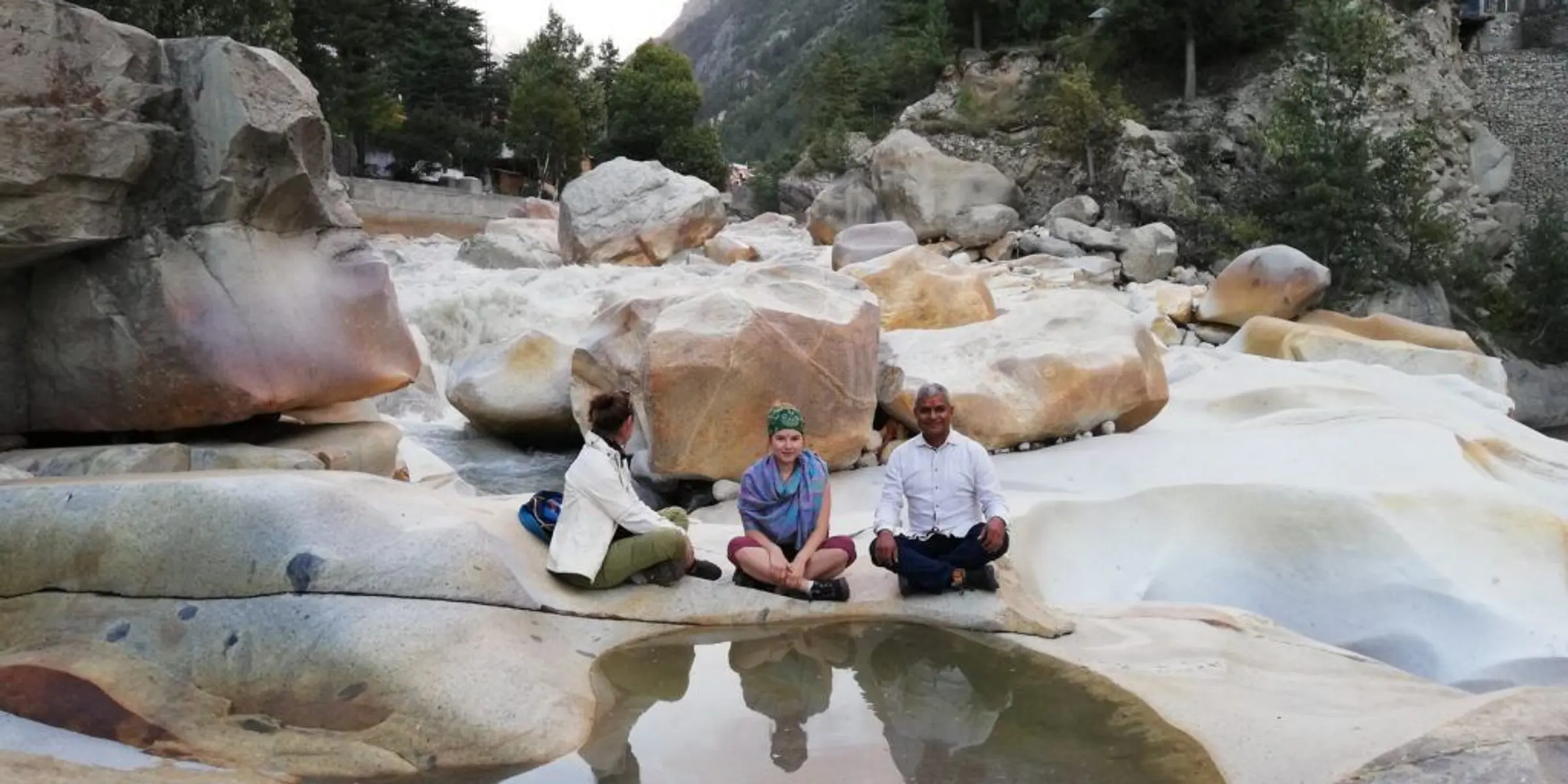
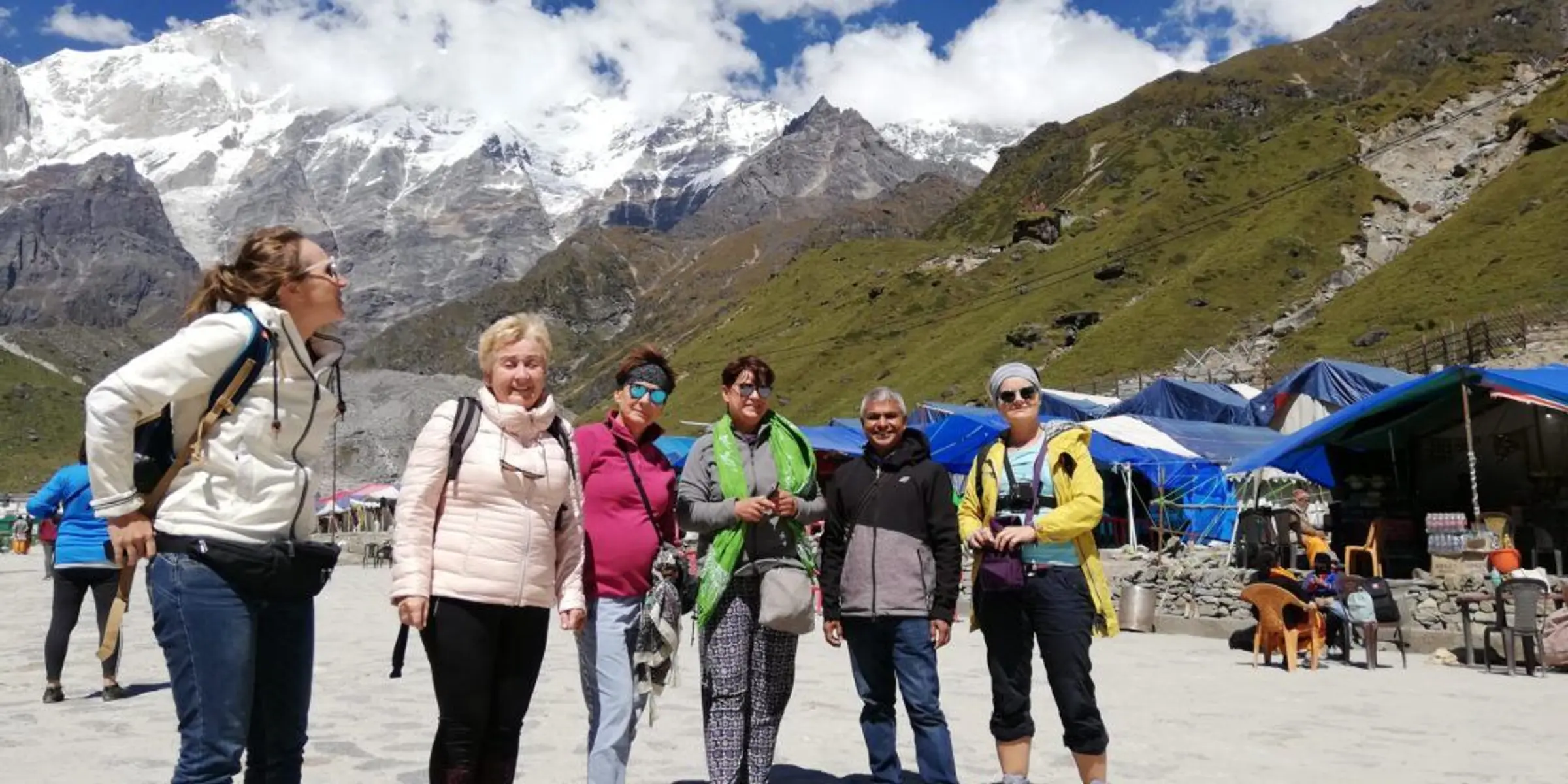
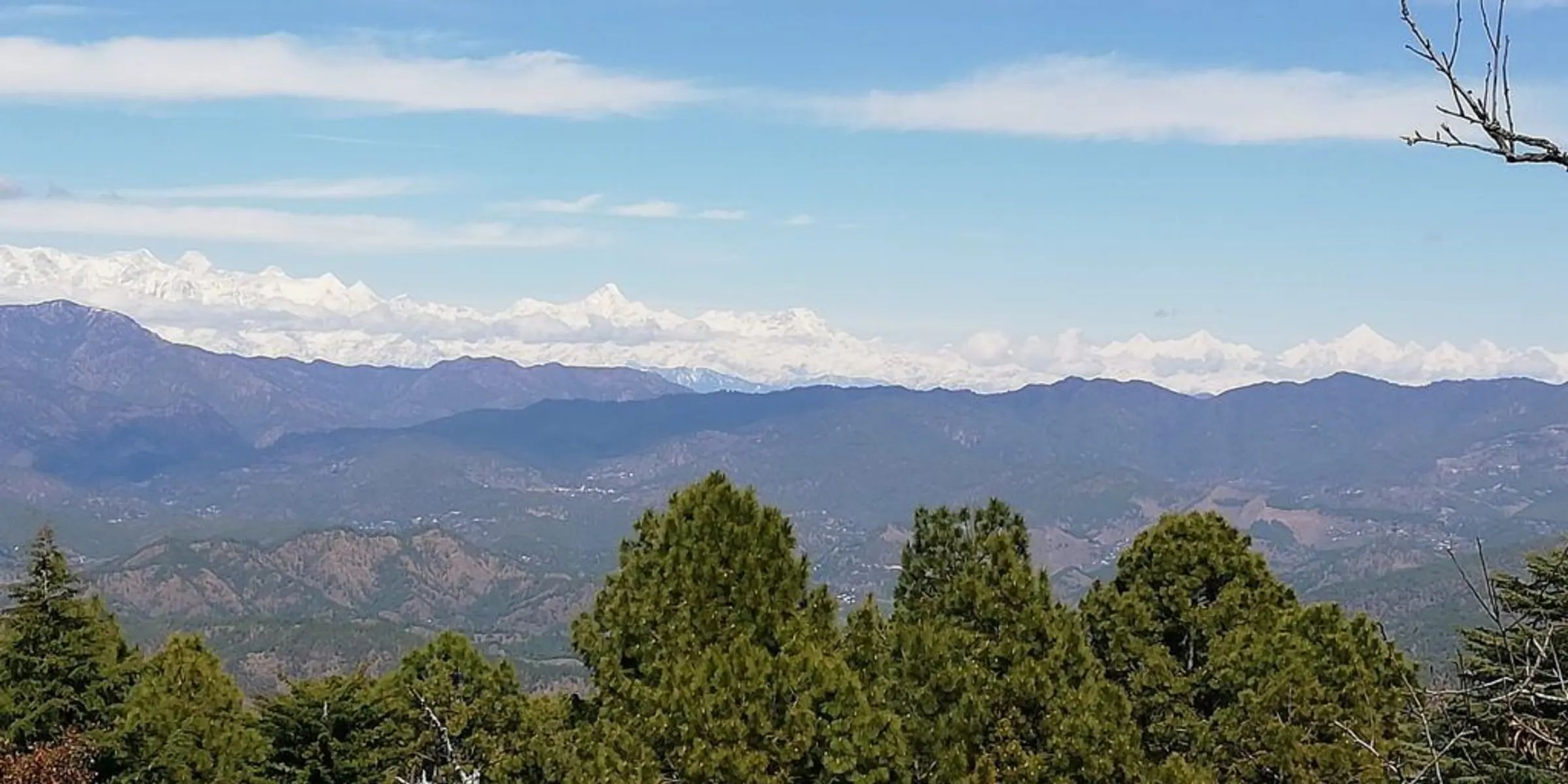
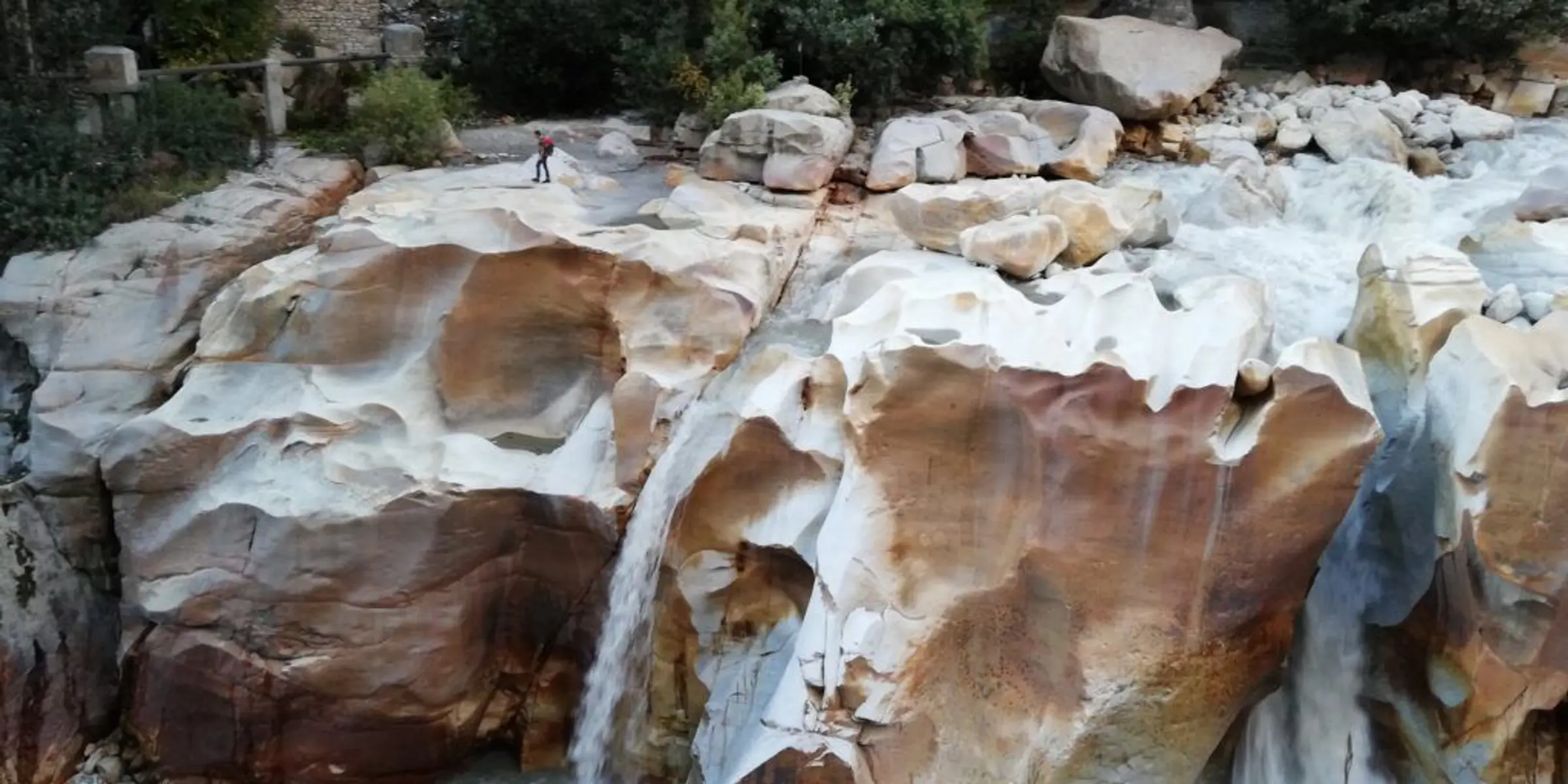
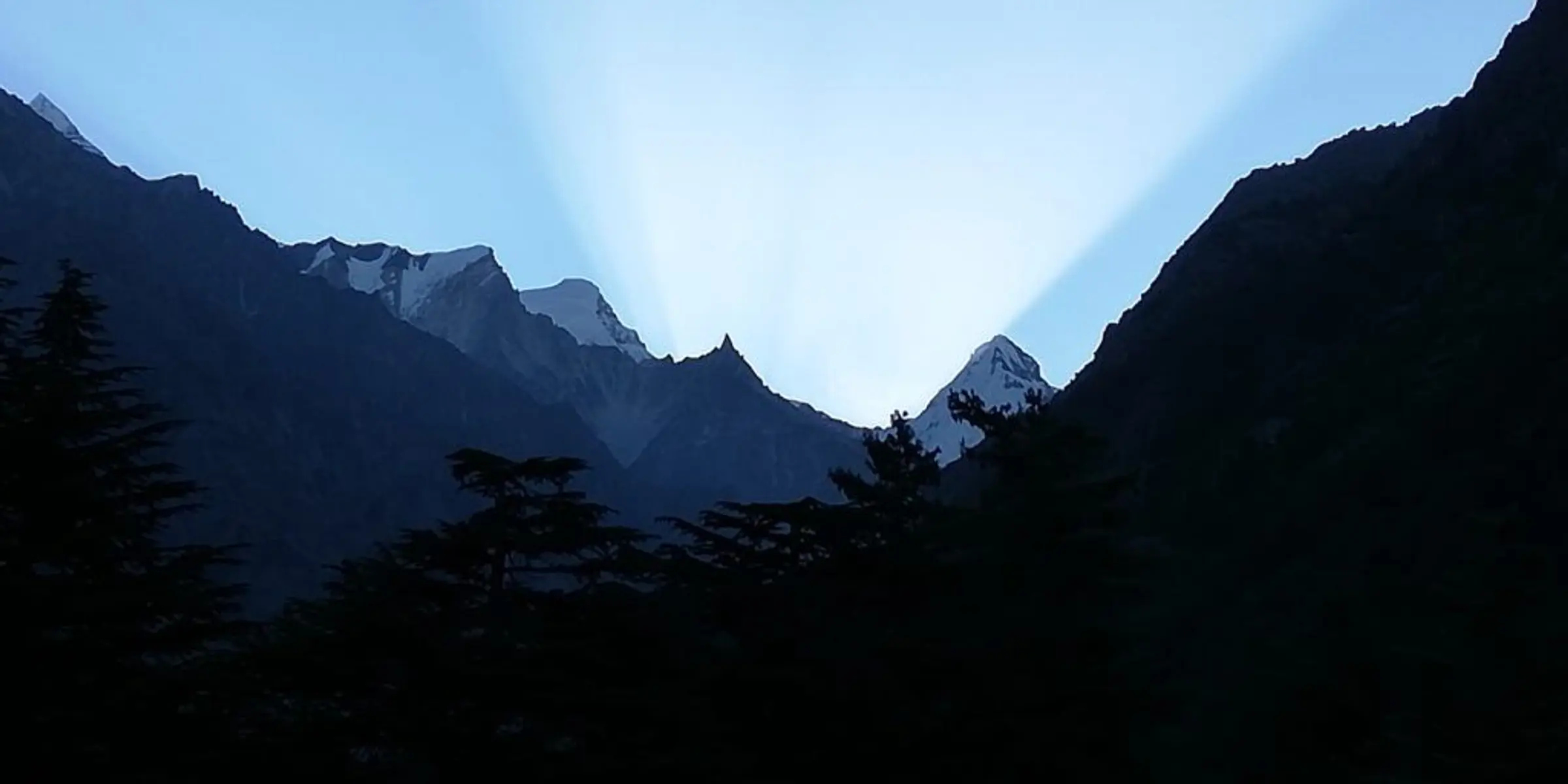
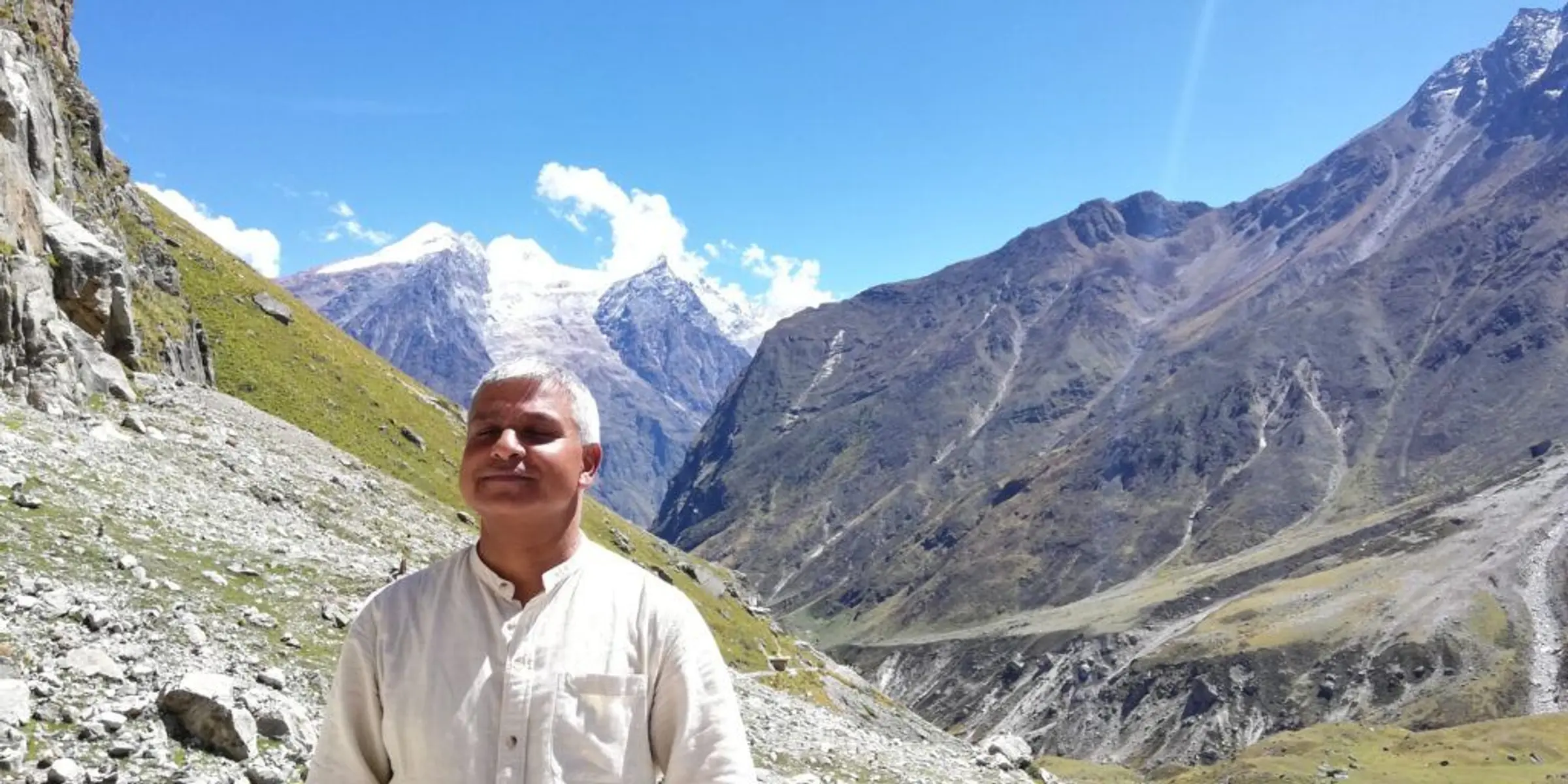
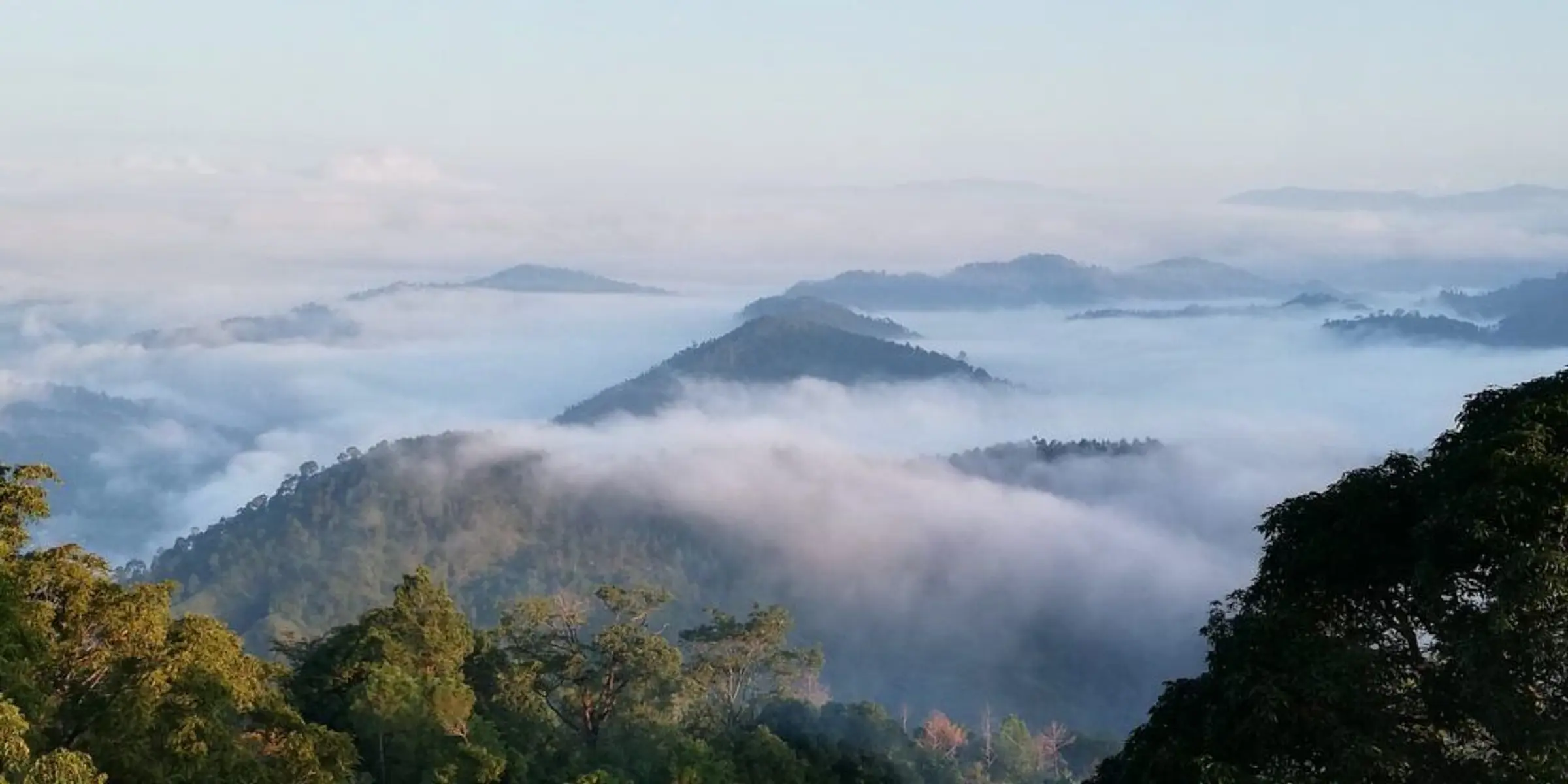
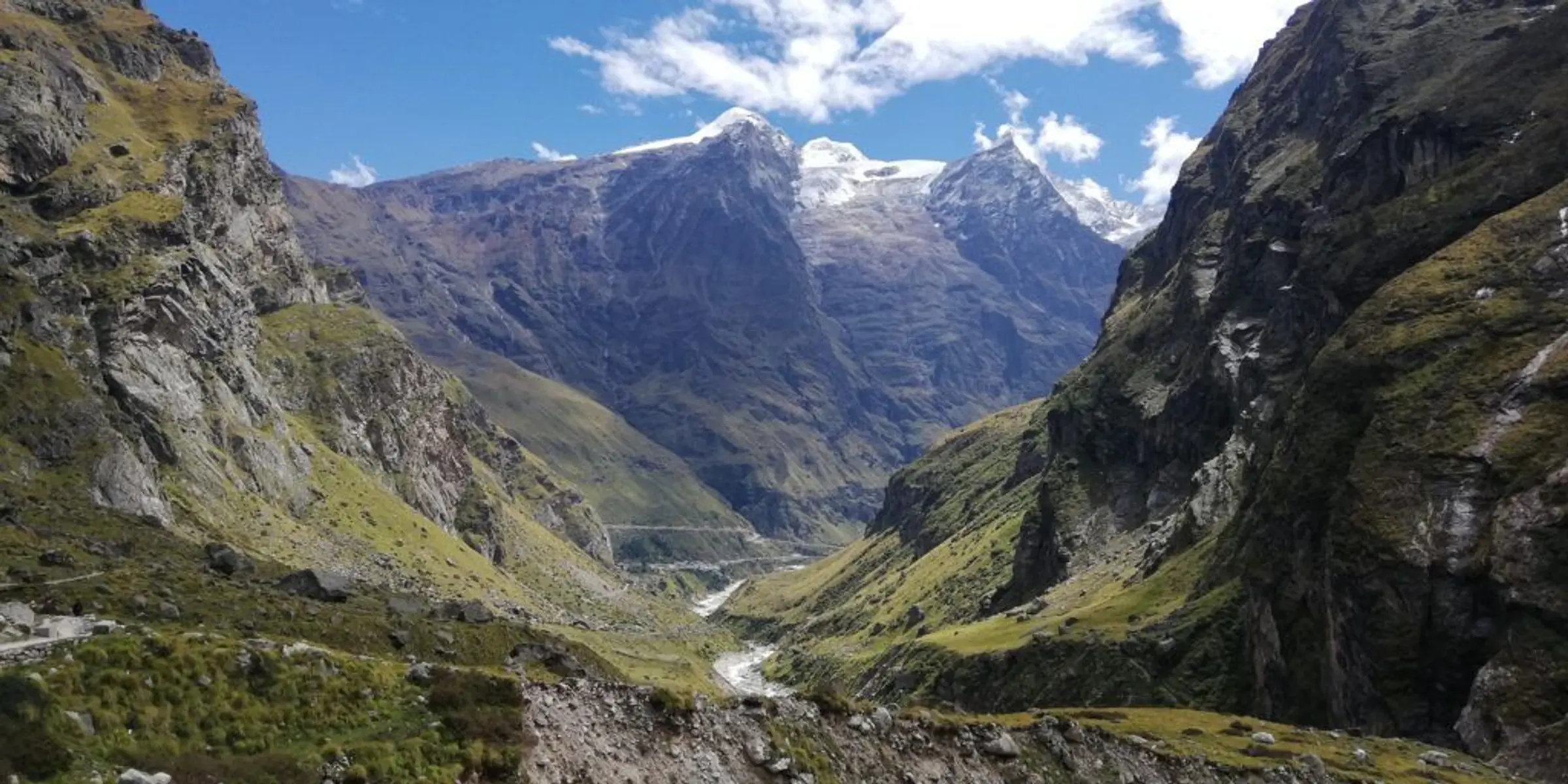
I will share with you a few photos from my recent stays in the Himalayas.
Piyush Mittal
Enjoyed this article?
Share this knowledge with your family or friends.
Deepen your practice
Related courses in this area of knowledge.
Piyush Mittal
· Founder of the InstituteTeacher of Integral Yoga, expert in traditional Ayurveda, and practitioner of Marma point therapy. For years he has combined authentic, source knowledge from India with a modern understanding of health and human development.


