

Classical Yoga Teacher — Bydgoszcz
An extensive programme for practitioners deepening their own practice and preparing to teach yoga classes.
About the Classical Yoga Teacher — Bydgoszcz course
The course includes 250 hours of classes plus a minimum of 250 hours of personal practice, running from December 2026 to July 2027 in Bydgoszcz, in partnership with the Mandala Yoga School.
The programme is open to anyone who wants to teach yoga or deepen their own practice — including those with no intention of teaching who simply want to grow physically, mentally, emotionally, and spiritually. The aim of the course is to broaden and progress your knowledge and understanding of yoga-teaching methodology, and to gain practical skills, so that a graduate can offer their own students a professional transmission in keeping with the oldest tradition of Yoga, along with appropriate guidance. The course also provides a foundation for further study of yoga philosophy, principles, and your own practice.
The programme covers 4 modules: Classical Yoga based on Patañjali's Yoga Sutras and the Hatha Yoga Pradipika (130h, Piyush Mittal), Classical Yoga — deepening practice and methodology for working with the body, breath, and special groups including pregnant women and children (80h, Lucyna Markiewicz), Classical Yoga as a Source of Personal Wellbeing (25h, Małgorzata Miodońska), and Anatomy and Movement Physiology for Yoga Teachers (15h, Sugam Mittal).
Assessment covers practical skills, theoretical knowledge, and teaching ability, as well as producing and defending an individual diploma project during the final session. The course instructors grade the assessment. After each session, students receive a workshop/teaching script with assignments. Participants who pass receive a Diploma issued by the Mandala Yoga School and the Nirmala.pl Institute of Yoga and Ayurveda, entitling them to teach yoga; other participants receive a Certificate of Completion. After the course, we provide individual support, advice, and collaboration — for example if you go on to run your own yoga school.
What You Will Master
- The philosophy and psychology of classical yoga based on Patañjali's Yoga Sutras and the Hatha Yoga Pradipika
- Breathing techniques (pranayama), mantras, concentration, and meditation
- Ayurveda fundamentals — working with the doshas, digestion, and cleansing
- Methodology for teaching yoga to pregnant women, children, and teenagers
- Anatomy and movement physiology needed to teach asanas safely
- Building your own Wellbeing Map and working with the psychophysical mechanisms of the stress response
Be honest with yoga
"If you want to work as a yoga teacher, the first commitment you must make is to be honest with yoga — to practise, experience and understand it yourself… Otherwise you may teach, but you won't be a representative of yoga, nor someone who understands it. As a yoga teacher you must practise yoga, live your yogic approach, and be a witness, an observer — DRASHTA — of yourself." — Swami Niranjanananda
Course programme – Classical Yoga Teacher — Bydgoszcz
Theoretical lectures:
- Classical Yoga based on Patanjali's Yoga Sutras and the Hatha Yoga Pradipika – 130h, Piyush Mittal
The heart of the whole programme. This module helps you understand yoga not only as a movement practice but as a tool supporting health, mental balance and everyday functioning — calming the mind and regulating stress, understanding how breath affects emotion and tension, seeing yoga as a tool for everyday balance rather than theory, recognising your own energetic and life needs, learning how Ayurveda supports digestion, immunity and daily rhythm, and working with the body without force or pressure.
Detailed module scope
- Foundations of Classical Yoga – Yama, Niyama, Sukshma, Asana, Pratyahara
- Samkhya philosophy
- Managing the thought process – Dharana, Dhyana and Samadhi
- Philosophy and psychology of yoga based on the Mandukya Upanishad, Katha Upanishad and Patanjali's Yoga Sutras
- Understanding the message of the Bhagavad Gita, and the Gita for modern managers
- The four paths of yoga – Karma Yoga, Bhakti Yoga, Jnana Yoga, Dhyana Yoga
- Mantra as a technique for healing the physical and subtle body
- Learning the most important mudras
- The human energetic structure: the five sheaths (Annamaya, Pranamaya, Manomaya, Vijnanamaya, Anandamaya Kosha)
- The three bodies (physical, subtle and causal)
- Understanding and releasing GRANTHI – energetic blockages
- Understanding the chakras and working with them
- Learning the bandhas
- Prana – what it is, and all the ways of drawing it in
- Learning and practising Bhuta Shuddhi
- Foundations of Ayurveda – the Pancha Maha Bhuta concept, Prakriti and Vikriti
- The TRIDOSHA concept – Vata, Pitta, Kapha; the functions, qualities and subtypes of each dosha
- The digestive system – yogic nutrition, the ayurvedic digestive system (agni, ama and sapta dhatu)
- Sattvic eating
- Learning body-cleansing techniques through yogic-ayurvedic methods
- Guna – the basis of the quality of mind and thought
- Working with the gunas – Sattva, Rajas, Tamas
- Classical Yoga – 80 hours, Lucyna Markiewicz
You'll learn comprehensive work with the body, breath and awareness in Classical Yoga and its application in therapeutic and educational practice — deepening your study of asanas (effects, contraindications, chakras), Surya Namaskara and pavanmuktasana, mastering classical pranayamas, mantras, concentration techniques (trataka) and meditations, learning to teach yoga for pregnant women, exploring hormonal yoga, and gaining a methodology for working with children and teenagers. The module gives practical tools for mindful, responsible teaching.
Detailed module scope
- Learning asanas (body exercises): examining their effects (physical, psychological, emotional), precautions and limitations. Asanas in Classical Yoga, Surya Namaskara, pavanmuktasana, classifying asanas by the chakras they relate to
- Breathing techniques
- Pranayamas: a selection of breathing exercises and classical pranayama such as Samaveta Pranayama, Bhramari, Ujjayi Pranayama, Bhastrika, Kapalbhati Pranayama, Nadi Shodhana
- Mantra as a key to higher awareness – learning fundamental mantras in Classical Yoga such as AUM, Mahamrityunjaya, Gayatri, Durga
- Concentration techniques such as trataka
- Meditation – learning fundamental meditations in Classical Yoga
- Yoga for pregnant women – the effect of yoga practice during pregnancy on mother and child
- Yoga for pregnant women – preparing the woman's body and mind for birth and postpartum (breathing exercises, asanas, relaxation, sound work, meditation)
- Yoga for pregnant women – how to build a prenatal yoga class, including recommendations and contraindications
- Yoga for pregnant women – the effect of yoga on labour and postpartum recovery (drawn from patients' experiences over the last 7 years)
- Yoga for pregnant women – ayurvedic recommendations for pregnant women
- Hormonal yoga – the effect of yoga on hormonal balance in women and men
- Hormonal yoga – practical exercises: breathing, asanas, concentration, relaxation, pelvic-floor workshops
- Hormonal yoga – yoga and Ayurveda for menstrual irregularities, and supporting women trying to conceive and in menopause
- Yoga for children and teenagers – a teaching methodology based on the eight-limbed path of yoga (including breathing exercises, asanas, relaxation, concentration)
- Yoga for children and teenagers – building classes/lessons for children and teenagers
- Classical Yoga as a Source of Personal Wellbeing – 25 hours, Małgorzata Miodońska
You'll understand what psychological wellbeing really is — not its marketing version — learn to build inner stability and resilience to stress, create your own personal Wellbeing Map, and see how yoga supports a sense of agency and meaning. This module combines contemporary knowledge of stress with classical yoga philosophy.
Detailed module scope
- Wellbeing – an introduction
- Psychophysical mechanisms of the stress response
- Yoga practice as a way to interrupt the stress response
- Relaxation – the art of effective recovery
- Yoga Nidra – a distinct form of relaxation and self-development – teaching methodology and leading Yoga Nidra sessions
- Visualisation – a tool for building psychological resilience on the mat
- The effect of yoga practice on the nervous system
- Yoga and polyvagal theory, and working with the vagus nerve
- Anatomy and Movement Physiology for Yoga Teachers – 15h, Sugam Mittal
You'll understand how the body actually works — not just how to "set a position" — learn to practise and teach yoga safely and mindfully, and know when to push and when to ease off for the sake of health.
Detailed module scope
- Foundations of anatomy
- The body as an integrated whole – the role of fascia and how forces travel through the body
- Red and yellow flags – when not to exercise, and when to practise with particular caution
- Static body analysis
- Anatomy of selected asanas – how the body as a whole behaves in different movement forms
- The diaphragm and breath – a muscle that does more than just breathing
- Working with the foot and lower limb
- Working with the pelvis
- Working with the spine and rib cage
- Working with the shoulder blade and upper limb
- What to pay attention to with selected dysfunctions, such as: lower-back pain, tension headaches, sciatica, post-arthroplasty, scar work, painful periods, joint hypo/hypermobility, post-sprain joint injuries
- What to do when a student can't perform a given asana? Is a prop always worth using?
- Elements of yoga in therapy planning
This course is for:
- You want to deepen your yoga and ayurveda practice primarily for your own health, balance and growth — not out of pressure or comparison with others
- You see yoga as a way of life, not just a set of exercises — and want to understand it better on the level of body, mind and emotion
- You're looking for a way to regain or maintain balance between daily responsibilities and the needs of body and mind
- You want to learn breathing and meditation techniques that help you cope with stress, tension and fatigue
- You want to learn about Ayurveda in an accessible, practical way, to better understand your own needs and support your health and that of your loved ones
- You want to understand how different forms of yoga can support health, energy and concentration
- If you already teach yoga, or are considering it in future, you want to do it responsibly, with a deep understanding of people
- You want to learn about yoga as support for children and teenagers, helping with concentration, emotional regulation and development
- You want to understand how mindfulness, relaxation and physical yoga practices affect health and resilience to stress
- You want to learn how to adapt yoga practice to different life stages, including pregnancy, hormonal changes and periods of greater strain
Meetings:
The course runs as 7 weekend/multi-day sessions. Questions and enquiries about the sessions: Lucyna, phone +48 664 948 927, email szkolajogimandala@gmail.com.
10-13 Dec 2026
Session in Bydgoszcz
07-10 Jan 2027
Session in Bydgoszcz
01-07 Feb 2027
Off-site retreat – Uzdrowisko, Tolkmicko near Elbląg
04-07 Mar 2027
Session in Bydgoszcz
08-11 Apr 2027
Session in Bydgoszcz
06-09 May 2027
Session in Bydgoszcz
09-11 Jul 2027
Session in Bydgoszcz / diploma thesis defense
Szkoła Jogi Mandala, Al. Adama Mickiewicza 4/8a, Bydgoszcz. Off-site session (1–7 Feb 2027): Uzdrowisko, Kamionek Wielki 66A, 82-340 Tolkmicko near Elbląg.
ℹ️ Session dates and locations may change only in exceptional circumstances beyond the organiser's control. The off-site session (1–7 Feb 2027) involves an additional charge for accommodation and full board at the Uzdrowisko resort, in 2–4-person rooms, at 290 PLN per person per day. For all sessions held in Bydgoszcz, participants arrange their own accommodation.
Course price: 9800 zł per person
Enrolment and payment process
Fill in the enrolment form at the bottom of this page.
Once we receive your submission we'll contact you with seat confirmation and payment instructions.
Pay a deposit of 1,500 PLN within 7 days of receiving confirmation and the transfer details.
Instructors
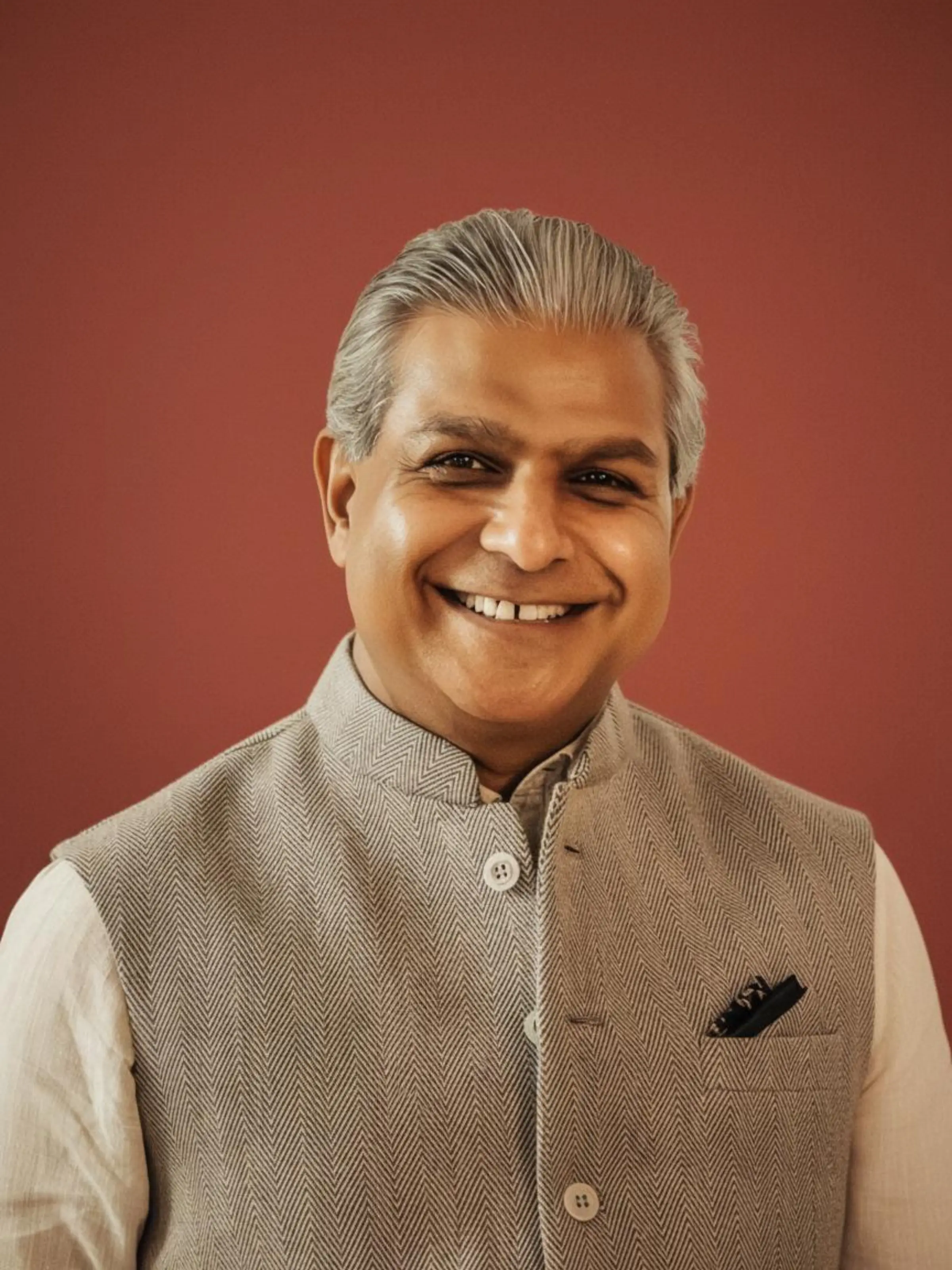
Piyush Mittal
Founder and President of the Institute
Piyush Mittal is a yoga and Ayurveda teacher, lecturer, and the founder and president of the Nirmala Institute of Yoga and Ayurveda. He is the initiator, author, and co-author of numerous workshops and instructor courses preparing people to work as, among others, a classical yoga instructor, Ayurveda consultant and therapist, holistic body-and-mind therapist, Marma therapy specialist, and workplace wellbeing lead — a yoga ambassador. He graduated from the Warsaw University of Technology, Faculty of Computer Science and Management.
He has consciously practised yoga for more than four decades. The foundations of this path were laid much earlier, when as a child he attended a school operating in the Vedic tradition of Saraswati Shishu Mandir. His first formal yoga teacher was Chandra Mohan Bhandari, who organised and deepened his knowledge of yoga, pranayama, and meditation.
He gained experience passing on the Indian art of working with the body, mind, and consciousness as, among other things, the organiser of more than 180 workshops and courses in 2012–2024, and four International Scientific Conferences of Yoga and Ayurveda in 2013–2017, held in cooperation with the AYUSH Ministry of Yoga, Ayurveda, and Naturopathy in India.
He completed certified training with teachers of yoga, Ayurveda, and related sciences, including Sadhguru and Swami Sarvapriyananda. He studied Marma therapy and Ayurveda especially under dr Sunil Kumar Joshi and dr Vasant Lad, and further deepened his knowledge of the classical Marma points as the author of the Polish translation of the book "Marma Chikitsa". He deepens his knowledge of the Vedas, Upanishads, Bhagavad Gita, and Yoga Sutras in contact with teachers of the Vedanta tradition. He holds Yoga Alliance RYT® 500 and E-RYT® 200 certifications and serves as a Yoga Alliance Continuing Education Provider (YACEP®).
In his work he combines the language of modern science with the wisdom of classical texts, passing on knowledge in a way that is simple and understandable even for people without prior preparation. He continually deepens his own practice and learning, treating this process as a personal svadhyaya — ongoing learning and self-knowledge.
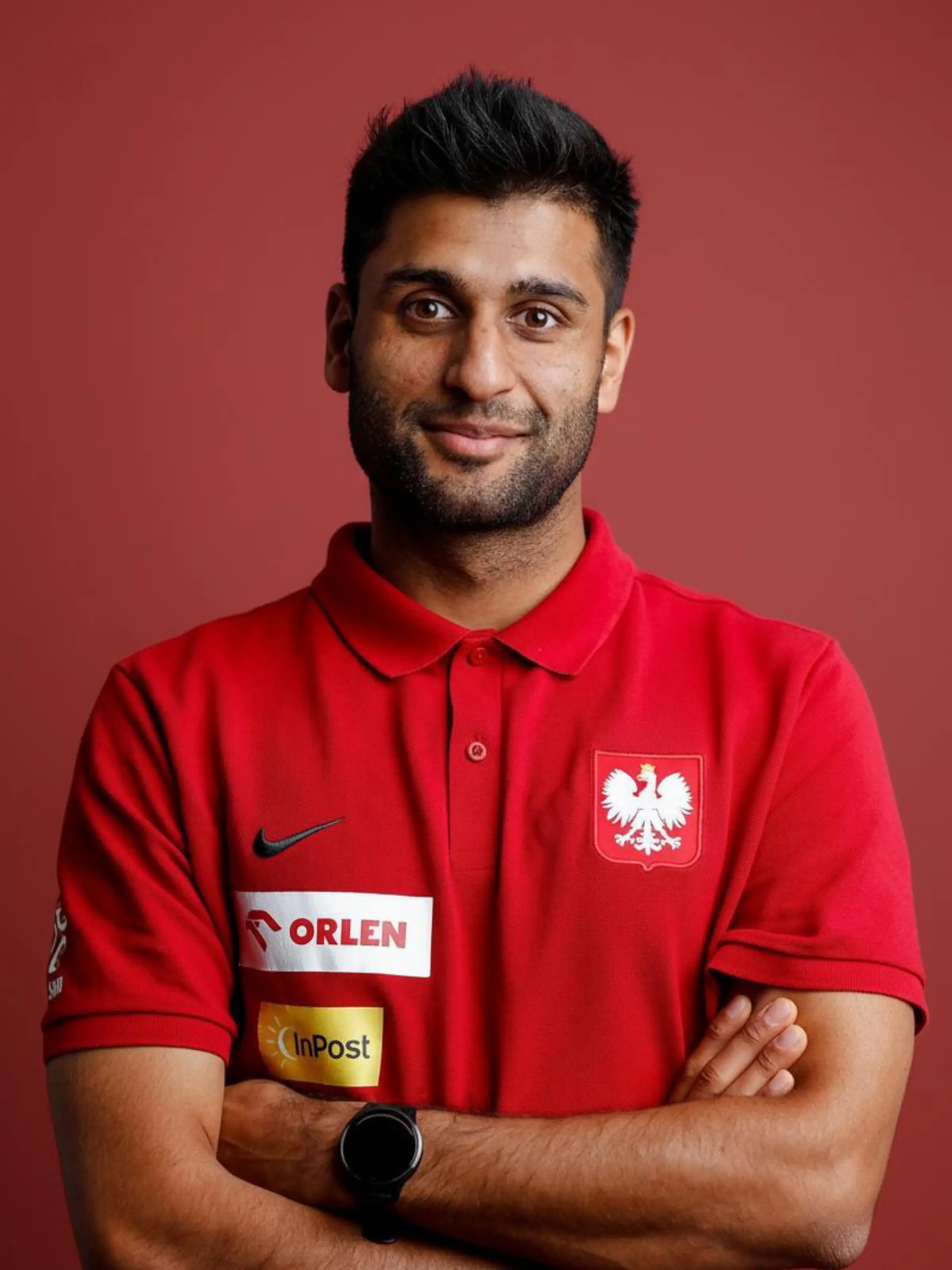
Sugam Mittal
Medical Trainer and Movement Therapist
A graduate student at the University School of Physical Education in Wroclaw, with experience also gained at the Medical University. For nearly three years he has worked with football clubs (Polonia Nysa, Stal Brzeg, Miedz Legnica), handling injury prevention, motor preparation, and players' return to play after injury.
A graduate of the "Holistic Therapist for Body and Mind" course. In his work he combines physiotherapy techniques with yoga, meditation, marma points, and mindfulness. Passionate about anatomy, he bases his practice on conscious movement, breath, and precise diagnosis.
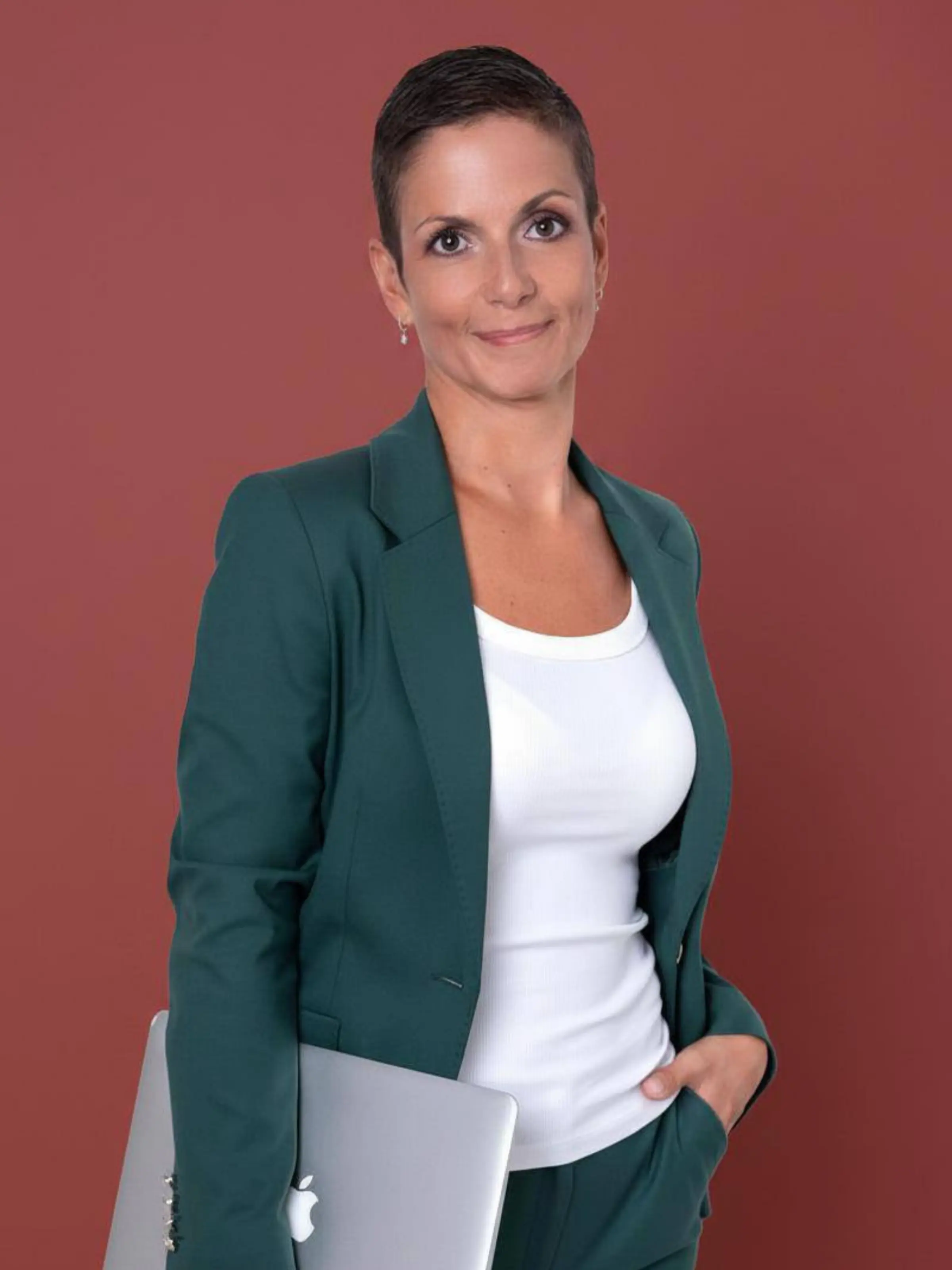
Małgorzata Miodońska
Certified Yoga & Pilates Instructor, Wellbeing Expert
A movement recreation instructor specialising in psychophysical exercises based on Hatha Yoga in the academic tradition. She holds a teaching qualification in Classical Yoga with Elements of Ayurveda and Marma Therapy (Nirmala Institute of Yoga and Ayurveda, Devamber Institute).
A graduate of postgraduate studies in Holistic Human Resource Management. A trainer, advisor, and auditor of wellbeing systems at the Wellbeing Institute. She leads yoga, Pilates, healthy-spine, relaxation, and mindfulness classes for employees.
Founder of the "Yoga Corner" studio in Gliwice — a place combining physical practice with personal development in the spirit of classical yoga. She is fascinated by neurobiology and the nature of the human mind. She combines yoga with the achievements of modern science, promoting management through values and building wellbeing within organisations.
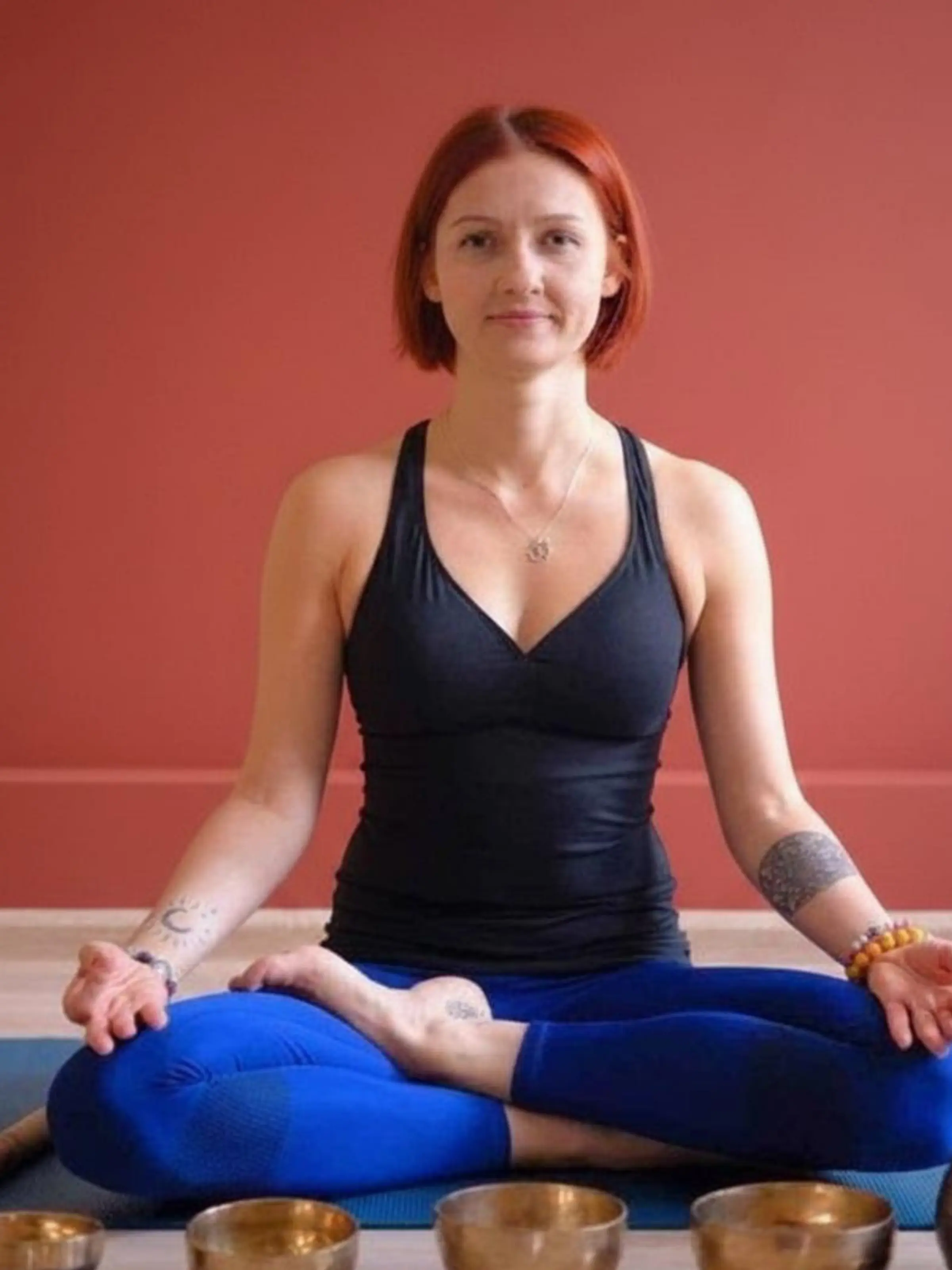
Lucyna Markiewicz
Founder of the Mandala Yoga School
Founder of the Mandala Yoga School in Bydgoszcz (2016), a yoga teacher with 10 years of experience and a passion for Ashtanga Vinyasa Yoga, the practice with which she began her path. She has studied with many teachers in Poland and abroad, and for several years has been deepening her study of Classical Yoga under Swami Karmayogi Saraswati (Bihar School of Yoga).
She leads classes for adults, teenagers, and children, specialising in yoga for pregnant women and mothers with children. An educator at childbirth schools, she supports couples in preparing for birth through breath, bodywork, and pain management.
A graduate of the Ayurveda Consultant and Therapist course and Marma Therapy (Nirmala.pl). She runs her own Ayurvedic practice. An economist by training, with both feet firmly on the ground, she combines spirituality with a practical approach to life. At Mandala she also runs workshops, courses, and teacher training.
Questions before you enrol?
The programme is open to anyone who wants to teach yoga or deepen their own practice — including people who don't plan to teach but want to grow physically, mentally and spiritually.
Book an initial consultation
The course is delivered in Polish. Fill in a short form. Once we receive your submission, Piyush Mittal will contact you to discuss taking part in the course.
Submitting the form doesn't automatically qualify you or reserve a place.
What happens after submitting?
- 1Our admissions team reviews your application within 24 business hours.
- 2You receive full details regarding syllabus, materials, and payment methods.
- 3Submitting an inquiry carries no immediate financial obligation.
Deposit and reservation
To reserve your place on the course, pay a deposit of 1,500 PLN within 7 days of your first contact with the instructor, to the account below:
- Recipient name:
- Szkoła Jogi Mandala
- Account number:
- 21 1140 2004 0000 3302 8357 7883 (mBank)
- Transfer title:
- Kurs Nauczycielski Jogi, imię i nazwisko
The deposit is non-refundable in case of withdrawal.


