

Trying only to manage the mind, or to manage things intellectually, will not take you very far. If you focus only on managing the mind, on the intellectual, logical aspect, you will run into four different kinds of conditions.
The first condition is the state of Duryodhana (a figure from the Mahabharata), the wicked brother of the Pandavas. He used to say: "I know what is good, but I am not inclined to follow what is good. I know what is bad, but I am unable to leave what is bad." Although the intellect is present — "I know what is right, and I know what is wrong" — the corresponding emotion is missing. Then one's actions go astray. This is known as the conflict of Duryodhana, and everyone passes through it: intellectually you can see what is right, but you don't walk that path, because your heart isn't in it.
In the second condition, when there is too much intellectual gymnastics, you may end up with an imposed morality and the guilt that comes with it. You may do something because you should, but not because your heart is in it; it becomes merely an external act. This is a sign of imbalance between intelligence and emotion, which eventually results in an explosion, or in the complete rejection of the imposed morality, causing further inner confusion and disharmony.
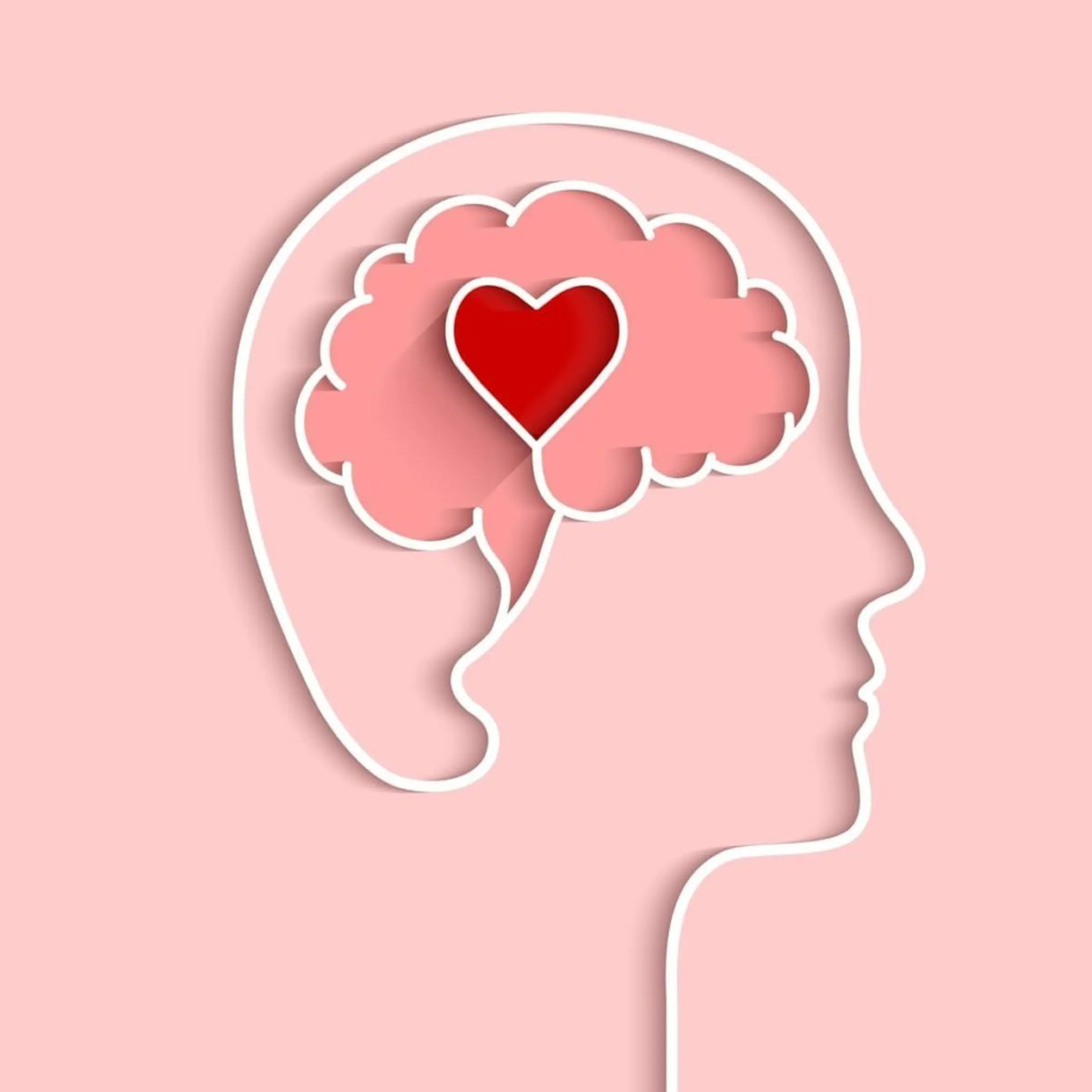
If you do not bring harmony to your emotions, the third experience that can occur is this: when you receive no recognition for what you do, or are criticized, you stop doing it, because you feel "discouraged." Continuing to do what you consider right, regardless of what others do or do not say, requires emotional strength, not intellectual or mental strength. At this point, in order not to feel discouraged, you need emotional strength; this is what reconnects you with right action.
The fourth result of lacking emotional maturity is that you use the mind and intellect to justify all your wrong deeds and negative emotions, instead of correcting them.
These four conditions become the cause of an individual's downfall when you give yourself over to intellectual gymnastics without emotional harmony. Each of us would experience one or more of these conditions, because ninety-nine percent of people lack emotional strength.
The sadhaka, the aspirant, needs far more emotional strength and maturity than intellectual ability. Intelligence is necessary for survival in the external, material dimension. But it is emotional strength that is required for the psychic and spiritual dimensions. It is this that carries you through the journey of life — not jnana and knowledge, but the strength within you that is non-intellectual.
The best indicator of emotional strength is the quality of your happiness without a cause. If you can be happy without any reason to be happy, and remain happy at all times, this provides a natural balance between intellect and emotion.
Piyush Mittal
Institute of Yoga and Ayurveda
From a lecture by my Guru — Swami Niranjanananda Saraswati
image sources: Internet
Enjoyed this article?
Share this knowledge with your family or friends.
Deepen your practice
Related courses in this area of knowledge.
Piyush Mittal
· Founder of the InstituteTeacher of Integral Yoga, expert in traditional Ayurveda, and practitioner of Marma point therapy. For years he has combined authentic, source knowledge from India with a modern understanding of health and human development.


